
Aristolochia debilis
Aristolochia debilis
Description
Growing requirements
Aristolochia debilis is a perennial herbaceous vine belonging to the Aristolochiaceae family. It is native to East Asia, particularly widespread in China and Japan, where it thrives in diverse habitats ranging from forest margins to cultivated fields.
The plant requires a temperate climate with adequate warmth during the growing season. It prefers fertile, well-draining soils rich in organic matter. A neutral or slightly acidic soil pH is ideal for maintaining the health of the root system.
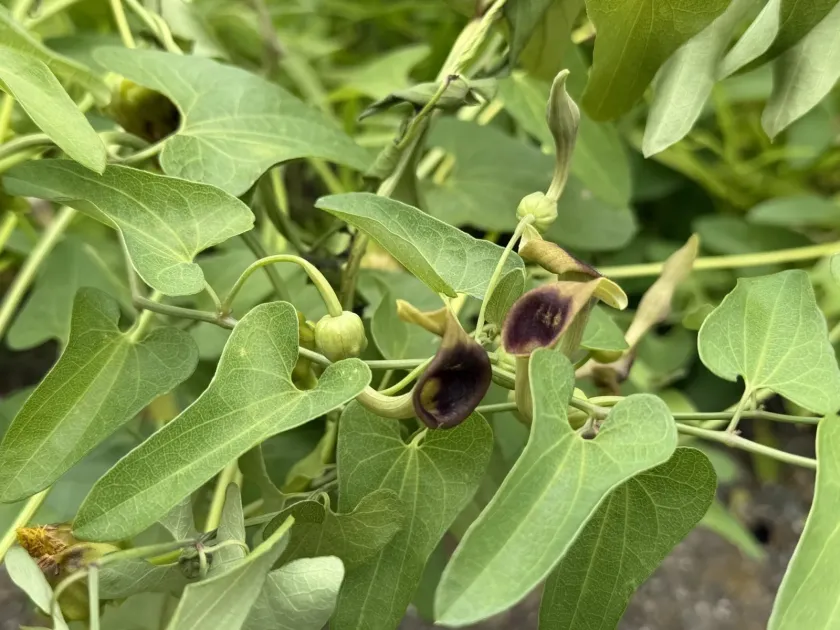
Botanically, it is characterized by its slender, twining stems that act as climbers when provided with adequate support. The leaves are typically heart-shaped, while the unique, pipe-shaped flowers are specifically adapted for pollination by small insects.
Cultivation practices involve regular irrigation to maintain soil moisture, especially during dry spells. Providing vertical support structures like trellises is essential for the plant to achieve its full growth potential and proper leaf development.
Historically, various parts of Aristolochia debilis have been used in traditional medicine for their anti-inflammatory properties. Due to the presence of aristolochic acid, industrial and medical use of the plant is heavily regulated globally for safety reasons.
Main diseases and pests
Common pests affecting Aristolochia debilis include aphids and spider mites, which can proliferate during periods of low humidity. Integrated pest management using organic soaps or predatory insects is recommended to minimize chemical exposure.
Fungal diseases are the primary threat, often caused by excessive humidity and poor soil drainage. Maintaining proper plant spacing and ensuring good ventilation around the vines are the best preventive measures to ensure the longevity of the plantation.