
Aristolochia contorta
Aristolochia contorta
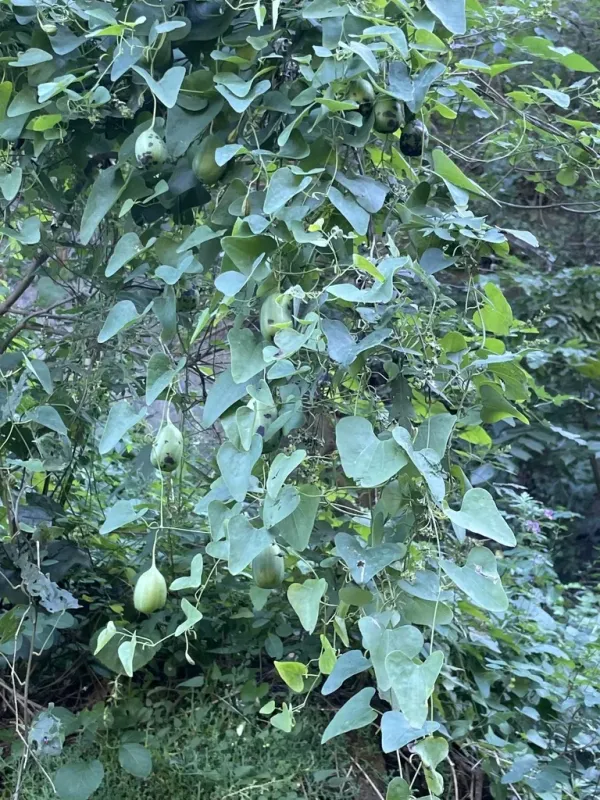
Description
Sowing dates
The seeds of Aristolochia contorta have a physiological dormancy that requires cold treatment to break. Autumn sowing directly into the soil is the most effective method, as it mimics natural conditions for spring germination.
If sowing in the spring, seeds must be stratified in a refrigerator at temperatures between 0°C and 4°C for at least 60 to 90 days. Proper stratification is critical for achieving a successful germination rate.
Sow seeds at a depth of approximately 1.5 to 2 centimeters in a well-draining, loose soil mix. A mixture of peat, sand, and garden soil is often recommended for optimal seed establishment.
The germination process can be irregular and slow. Maintain consistent moisture levels in the seedbed but ensure that the soil does not become waterlogged, as this will lead to rotting.
Once seedlings have established two or three sets of true leaves, they can be hardened off and transplanted to their permanent location. Handle the roots with care, as they can be sensitive to disruption.
Growing requirements
Aristolochia contorta is a perennial twining vine belonging to the Aristolochiaceae family. It is native to the temperate regions of East Asia, including China, Korea, and parts of the Russian Far East.
The plant thrives in sites with partial shade to full sun. It requires a sturdy vertical support system, such as a trellis or fence, as its twining stems can reach lengths of several meters in a single season.
Soil requirements include high organic matter content and excellent drainage. The plant prefers slightly alkaline to neutral pH levels and performs poorly in compacted or permanently waterlogged clay soils.
It is cold-hardy and can withstand freezing winters, but it benefits from a thick layer of organic mulch around the root base to protect the crown during extreme temperature drops.
Watering should be regular during the active growing season. While the plant can tolerate short periods of drought once established, consistent moisture promotes more vigorous foliage and stem development.
Main diseases and pests
The plant is naturally equipped with chemical defenses, specifically aristolochic acids, which make it unpalatable to most herbivorous insects and pests, providing a significant advantage in cultivation.
Root rot is the most serious threat, usually caused by overwatering or poor drainage. Ensure the planting site is elevated or properly modified with sand and organic materials to prevent water accumulation.
Powdery mildew may occur in poorly ventilated areas with high humidity. Pruning and thinning the foliage during the mid-summer can improve airflow and reduce the likelihood of fungal infections.
Aphids occasionally target tender new growth tips. These can usually be managed with gentle horticultural soaps or by manual removal if the infestation is localized to just a few leaves.
In the first year, young plants may be vulnerable to slugs and snails. Using physical barriers such as crushed eggshells or copper tape can effectively prevent these pests from reaching the young stems.