
Aristolochia constricta
Aristolochia constricta
Description
Growing requirements
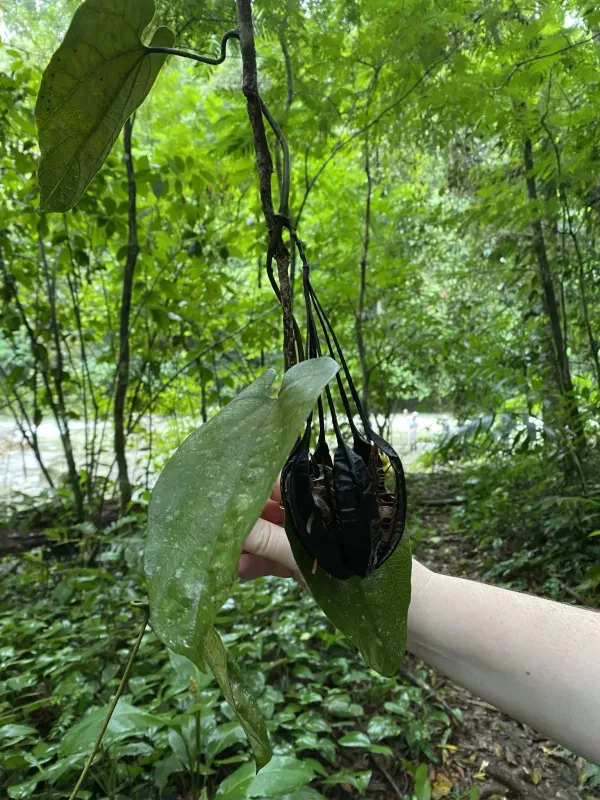
Aristolochia constricta is a perennial climbing plant belonging to the Aristolochiaceae family. Originating from the tropical regions of the Americas, this species is highly valued for its unique flower structure and vigorous growth, making it a subject of interest for specialized botanical collections.
To thrive, the plant requires consistent warmth and protection from cold drafts. In greenhouse cultivation, maintaining a temperature range between 22°C and 28°C is critical for supporting the vegetative processes throughout the year, especially during the active growing season.
The species demands a well-structured, nutrient-rich soil that mimics the forest floor of its native habitat. A mixture of peat moss, pine bark, and organic compost provides the ideal balance of moisture retention and drainage necessary to prevent root suffocation.
Vertical growth is an inherent trait of this plant. Providing robust support structures such as trellises or climbing frames allows the vine to reach its full potential. Regular pruning is also essential to manage its spread and encourage denser foliage development.
Watering management is a delicate balance. While Aristolochia constricta loves humidity, it does not tolerate waterlogged conditions. The pot or planting bed must have excellent drainage, and watering should only occur when the top layer of the substrate begins to dry out slightly.
Main diseases and pests
In indoor and greenhouse environments, this plant is susceptible to common sap-sucking pests like whiteflies and spider mites. These organisms thrive in dry, stagnant air, emphasizing the need for proper ventilation and humidity control within the growing facility.
Fungal pathogens represent another significant threat, particularly those affecting the root zone if the substrate remains too wet for extended periods. Implementing a strict irrigation protocol and using sterilized potting media are the primary defenses against such biological hazards.