
Aristolochia clusii
Aristolochia clusii
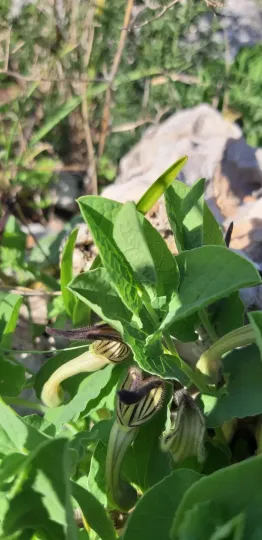
Description
Growing requirements
Aristolochia clusii is a perennial climbing plant belonging to the Aristolochiaceae family. Originating from the Mediterranean region, this plant is well-regarded for its distinctive foliage and unique, pipe-shaped flowers, making it a popular choice for vertical gardening.
The plant thrives in temperate climates, requiring locations that offer protection from intense, direct midday sun. It is well-adapted to partially shaded environments, where its large, cordate leaves can remain lush and vibrant throughout the growing season.
Soil requirements for Aristolochia clusii involve a preference for fertile, well-draining, and humus-rich substrates. The plant does not tolerate waterlogged soil, which can easily lead to root rot; therefore, providing a high-quality drainage layer is essential during planting.
Proper agronomic care includes the installation of sturdy trellises or supports, as the vine exhibits vigorous growth and requires guidance. Regular but moderate irrigation is recommended to keep the soil consistently moist but never oversaturated.
Regarding its utility, the species is primarily used for ornamental purposes to cover walls, fences, and pergolas. Its dense, overlapping leaves create an effective natural screen, while the unusual floral structure adds aesthetic value to garden landscapes.
Main diseases and pests
The primary pests affecting this species include aphids, which tend to congregate on the succulent tips of new growth. These insects can cause leaf curling and stunt the overall development of the vine if left unchecked.
Spider mites are another common challenge, particularly during hot and dry spells. They cause characteristic stippling on the leaves and can significantly weaken the plant if a severe infestation is allowed to progress.
Fungal infections, such as powdery mildew, often arise when environmental conditions are too humid with poor airflow. Thinning out the canopy through pruning is a crucial cultural practice to ensure adequate ventilation.
Root rot, driven by improper soil moisture management or heavy, clay-based soils, poses a significant threat. Ensuring that the planting site has adequate depth and soil aeration is the best strategy for mitigation.
Gardeners are encouraged to implement integrated pest management, starting with cultural controls such as regular monitoring and sanitation. Chemical interventions should be chosen with care to ensure the safety of beneficial pollinators visiting the unique flowers.