
Aristolochia bracteolata
Aristolochia bracteolata
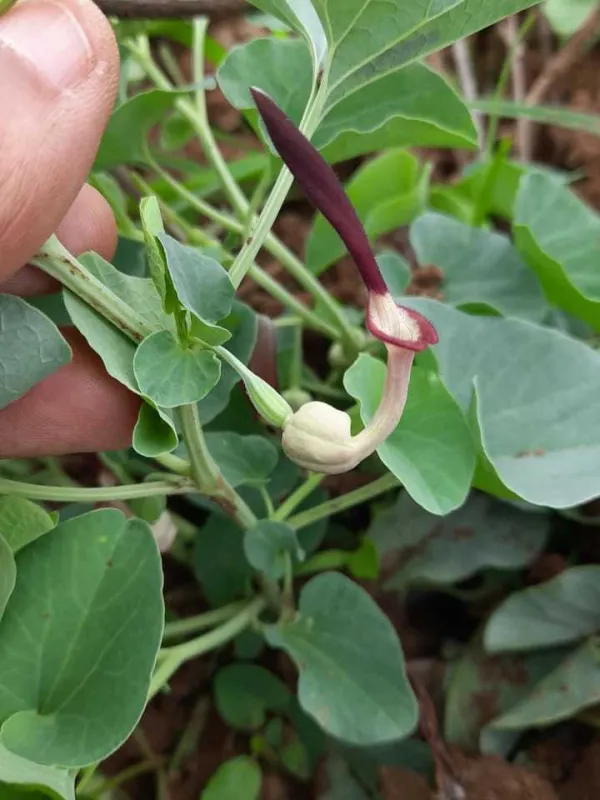
Description
Growing requirements
Aristolochia bracteolata, commonly known as a species of birthwort, is a herbaceous plant belonging to the Aristolochiaceae family. It is characterized by its trailing or climbing habit and distinctive heart-shaped leaves, with prominent bracts appearing at the leaf axils.
The plant originates from the arid and semi-arid regions of Africa and Asia, particularly India. It is highly adapted to tropical and subtropical climates, thriving in environments that experience intense heat and seasonal drought.
In terms of cultivation, this crop prefers well-drained, sandy-loam soils. It is essential to ensure that the soil does not retain excessive moisture, as waterlogging is a primary stress factor for the root system of this species.
Regarding climate, Aristolochia bracteolata requires ample sunlight for optimal growth and biomass production. It is a thermophilic plant that excels in temperatures ranging from 25 to 35 degrees Celsius, making it suitable for hot-climate agriculture.
Economically, the plant is primarily cultivated for its medicinal properties. Various parts of the plant are utilized in traditional medicine for their anthelmintic and anti-inflammatory qualities, although strict processing is required due to the presence of aristolochic acids.
Main diseases and pests
Aristolochia bracteolata faces various biological threats that can impact both yield and quality of the medicinal raw material produced in plantations.
The most common pests affecting this crop include defoliating caterpillars and sap-sucking insects such as aphids that thrive in warm conditions.
Fungal pathogens pose a significant threat to root health, especially if field irrigation exceeds the plant's physiological needs, leading to crown or root rot.
To mitigate the risk of disease, farmers are advised to maintain wide spacing between plants to improve airflow and reduce humidity levels within the foliage canopy.
Monitoring for signs of leaf spot or discoloration is essential for early intervention, ensuring that the health of the medicinal crop remains preserved throughout the growth cycle.