
Aristolochia bottae
Aristolochia bottae
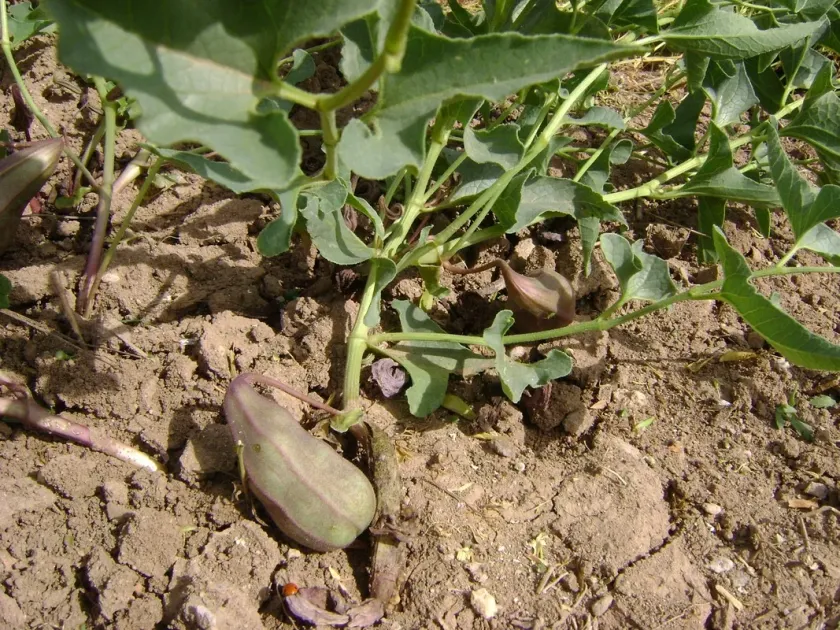
Description
Sowing dates
Aristolochia bottae seeds are best sown in late autumn to benefit from natural winter stratification, which significantly improves germination rates in the spring.
When opting for spring sowing, seeds must be kept in cold storage at temperatures ranging from +2 to +5 degrees Celsius for at least two months prior to planting.
The seeds should be covered with a light, moist substrate, maintaining a sowing depth of no more than two centimeters to allow proper light penetration for development.
Seedlings are sensitive to transplanting shock, so it is recommended to grow them in individual peat pots to minimize root disturbance during the final field placement.
Vegetative propagation via softwood cuttings is also highly effective during the summer months when kept in a humid environment with indirect lighting.
Growing requirements
This species thrives in nutrient-rich, well-draining loamy soils that maintain consistent moisture levels without becoming waterlogged during the rainy season.
Although it can tolerate partial shade, the vine prefers bright, filtered sunlight to ensure robust growth and the development of its characteristic floral structure.
Providing sturdy vertical support is essential, as this woody climber can reach significant lengths and requires structural stability to avoid damage from strong winds.
Consistent irrigation is vital during the primary growth phase, particularly during the hot summer months when the large foliage increases the rate of transpiration.
Winter hardiness is moderate; therefore, it is necessary to mulch the root zone heavily in cooler climate zones to protect the rhizomes from freezing temperatures.
Main diseases and pests
Aphids are common pests that target the soft, growing tips of the vines, potentially stunting growth and acting as vectors for various viral diseases.
Spider mites represent a major challenge during periods of low humidity, often causing premature yellowing and dropping of the leaves if left untreated.
Root rot, induced by fungal pathogens like Phytophthora, remains the most severe threat when soil aeration is poor or drainage is inadequate for the plant.
Integrated pest management strategies, involving both biological controls and targeted chemical applications, are recommended for long-term health maintenance.
Regular sanitation of the garden area and removing dead foliage help prevent the build-up of fungal spores that could thrive in dense canopy areas.
Harvesting
Harvesting for botanical use should ideally take place during the peak blooming period, which corresponds to the highest concentration of active compounds.
The collected vine parts should be dried rapidly in a dark, well-ventilated space to preserve their biochemical integrity and prevent decomposition or mold growth.
Seed harvesting should be carefully monitored, capturing the seed capsules just as they begin to darken but before they naturally dehisce and scatter their contents.
Given the potential for toxic alkaloids in the plant tissues, gloves should always be worn during harvesting and handling to prevent irritation to the skin or eyes.
Properly processed material remains stable when stored in airtight containers kept in a cool, dry environment, far from direct contact with heat sources.