
Aristolochia billardieri
Aristolochia billardieri
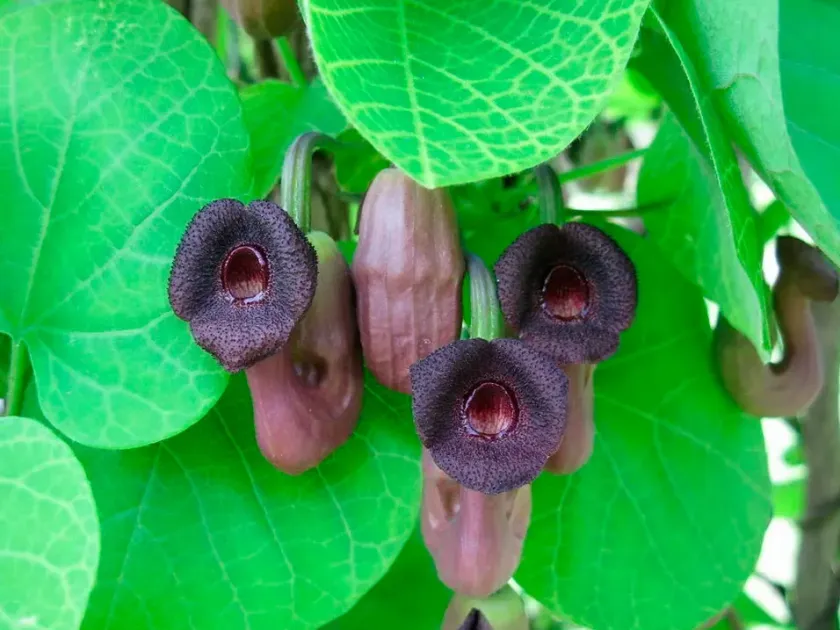
Description
Growing requirements
Aristolochia billardieri, commonly known as a type of Dutchman's pipe, belongs to the Aristolochiaceae family. It is a vigorous, woody-stemmed perennial vine native to regions of the Eastern Mediterranean, where it typically thrives in shaded, moist woodland environments.
To cultivate this species successfully, gardeners must provide a nutrient-rich, well-draining soil medium. The plant thrives in semi-shaded locations where it is protected from intense, direct midday sun, which can dehydrate its large, heart-shaped leaves.
Water management is a key aspect of its agrotechnology. While the vine requires consistent moisture during its active growth period, it is sensitive to waterlogged soil. Installing an effective drainage system is essential to prevent root asphyxiation and subsequent decay.
The vine requires robust vertical support structures, such as trellises or sturdy fences, as it can grow quite heavy. Pruning should be performed in early spring to shape the plant, encourage new growth, and remove any frost-damaged stems from the previous winter.
Climatic adaptability is limited to mild climates; in cooler zones, this vine requires shelter from harsh, freezing winds. Mulching around the base of the plant helps maintain soil temperature stability and preserves moisture during the dry summer months.
Main diseases and pests
Aphids represent the most common threat to Aristolochia billardieri. These pests congregate on the tender new growth, causing curling and stunted development. Manual removal or the application of insecticidal soaps is usually effective if caught early.
Powdery mildew can infect the foliage during humid, poorly ventilated conditions. To mitigate this risk, it is recommended to maintain proper spacing between plantings and avoid wetting the leaves when watering, preferring irrigation directly at the base.
Spider mites may manifest as a problem in high-temperature, low-humidity environments. Periodic misting of the vine's foliage and ensuring adequate soil hydration serve as effective cultural controls against these arachnid pests.
Root rot, often caused by pathogens like Phytophthora, is a significant threat in poorly drained soils. Avoiding excessive irrigation and incorporating organic matter into the soil can improve aeration and reduce the incidence of these soil-borne diseases.
Slugs and snails can occasionally graze on the younger, more succulent leaves located near the base of the plant. Utilizing physical barriers such as copper tape or crushed eggshells around the base can help deter these mollusks from reaching the foliage.