
Aristolochia bianorii
Aristolochia bianorii
Description
Growing requirements
Aristolochia bianorii is a perennial herbaceous plant belonging to the Aristolochiaceae family. This species is endemic to the Balearic Islands, specifically Mallorca, making it a rare and geographically restricted specimen in the wild.
The plant is adapted to the Mediterranean climate, naturally growing on rocky limestone slopes and crevices. It demonstrates a high level of drought tolerance, which is essential for survival in its arid, sun-drenched native habitats.
When cultivating this species, providing a well-draining, alkaline soil medium is crucial. Because the root system is highly susceptible to rot, incorporating gravel, coarse sand, or perlite into the growing medium is necessary to ensure adequate aeration and drainage.
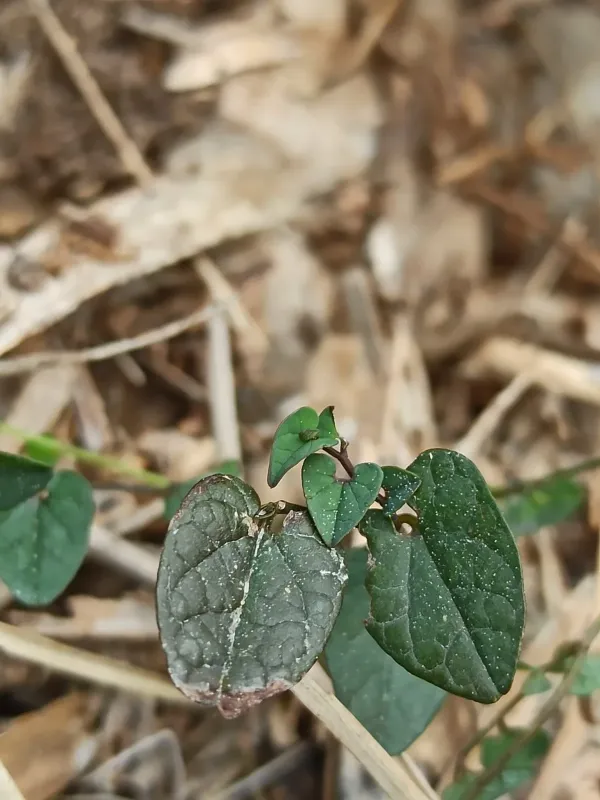
Botanically, Aristolochia bianorii is notable for its intricate, tubular flowers that possess a unique mechanism to trap pollinators temporarily. Its leaves are typically cordate (heart-shaped), which adds to its distinct aesthetic appeal.
The plant thrives best in a position with plenty of bright, indirect sunlight or dappled shade. It is not cold-hardy and requires protection from frost, making it suitable for greenhouses or sheltered gardens in colder climates.
Main diseases and pests
The primary threats to Aristolochia bianorii include fungal diseases, which are almost always triggered by overwatering or poor air circulation around the root zone. Root rot is a common and often fatal issue if the drainage is insufficient.
Aphids represent a frequent pest challenge, particularly during the active growth phase. They cluster on new, tender shoots and can significantly stress the plant, hindering its development if not treated promptly.
Spider mites are another potential issue, especially in environments with low humidity. Infestations can cause discoloration of the foliage and eventual leaf drop, weakening the plant's overall vigor.
Prevention is key in managing these threats; maintaining optimal moisture levels and ensuring regular airflow are the best methods to keep the plant healthy. Chemical interventions should be used sparingly and only when necessary.
Given its endemic status, maintaining sanitary practices is vital not only for the health of individual plants but also to prevent the accidental introduction of pathogens into collections or conservation settings.