
Argyroderma ringens
Argyroderma ringens
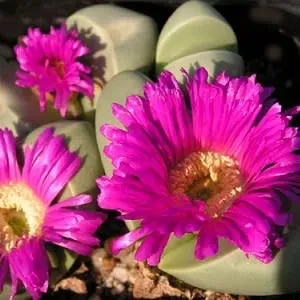
Description
Sowing dates
Sowing seeds of Argyroderma ringens should take place during the spring months to maximize the beneficial effects of the lengthening day for early seedling development.
The seeds are best sown on the surface of a sterilized, mineral-heavy substrate, such as a mix of pumice and grit, to ensure proper drainage and root aeration.
To promote germination, a high-humidity environment should be maintained using a greenhouse cover or plastic wrap until the seeds sprout successfully.
Constant temperature regulation between 22 and 25 degrees Celsius is critical during the initial germination phase to ensure a uniform emergence of the seedlings.
As the plants mature, gradually removing the cover allows the seedlings to acclimatize to the drier ambient air, preventing stunted growth and fungal issues.
Growing requirements
Argyroderma ringens belongs to the Aizoaceae family and thrives in arid environments, possessing specialized succulent leaves designed to store water for long periods.
This species requires exceptionally high light levels, ideally placed in a south-facing spot to replicate the intense solar radiation of its native South African habitat.
The potting medium must be inorganic and fast-draining, consisting of components like perlite, coarse sand, and crushed rock, avoiding any peat-based composts.
Watering requires strict discipline: water deeply but infrequently during the growth cycle, ensuring the substrate is completely dry before the next hydration cycle.
Winter dormancy is essential for healthy development, requiring cool temperatures (approx. 10-12 degrees Celsius) and near-zero watering to prevent etiolation.
Main diseases and pests
Root rot is the most lethal condition for Argyroderma ringens, typically caused by excess moisture or inadequate soil drainage during periods of lower temperatures.
Mealybugs are common pests that hide within the central fissure of the plant, requiring vigilant inspection and targeted application of systemic pesticides for control.
Lack of proper air circulation around the plants can promote the growth of surface fungi, which damage the delicate epidermal cells of the succulent leaves.
Spider mites may appear in hot, dry environments with poor air flow, causing small yellow spots and potential scarring on the plant's surface over time.
Maintaining high hygiene standards by keeping the plants clean and ensuring that no water collects in the growth crevices prevents most common infestations.