
Argyroderma fissum
Argyroderma fissum
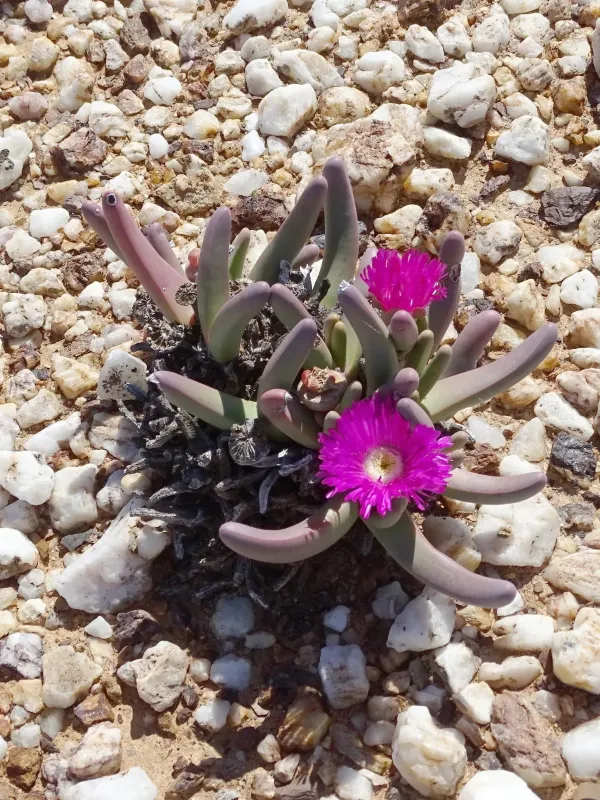
Description
Sowing dates
Sowing seeds of Argyroderma fissum is most successful during the early spring when light intensity begins to increase. The optimal germination temperature ranges from 20 to 25 degrees Celsius for consistent results.
Use a sterile, well-draining mineral substrate consisting of fine sand and perlite. Seeds should be sown on the surface and pressed gently into the moist medium without covering them with soil.
Maintain high humidity by covering the container with glass or plastic film. It is crucial to monitor the moisture level constantly until the first true leaves emerge from the tiny seedlings.
Gradually acclimatize the seedlings to lower humidity by opening the cover incrementally over several weeks. Once the plants have developed a sturdy structure, they can be transplanted into individual pots.
Young plants are particularly vulnerable to damping-off disease, so avoid overwatering the substrate. Ensure adequate ventilation to prevent the accumulation of stagnant air and excess moisture.
Growing requirements
Argyroderma fissum is a fascinating member of the Aizoaceae family, naturally occurring in the arid regions of South Africa. As a "living stone," it has evolved to store water efficiently in its thick, succulent leaves.
The plant requires intense, direct sunlight to maintain its characteristic compact shape. Placing the plant in a shaded area will inevitably lead to etiolation and a weakened, unattractive structure.
The potting medium must be highly inorganic, consisting of pumice, grit, and coarse sand. Avoid standard potting soil as it retains too much water, which is lethal for this species' sensitive root system.
Watering should be infrequent and only performed when the soil is completely dry throughout the entire pot. During the winter dormancy phase, water should be withheld almost entirely to allow the plant to rest.
Proper air circulation is vital for the health of Argyroderma fissum, as it prevents humidity-related fungal issues. Providing a cool, dry environment during the winter is necessary to trigger the flowering cycle.
Main diseases and pests
Excessive moisture is the primary cause of death for this species, as it rapidly induces root and stem rot. Symptoms of overwatering include discolored leaves and soft, mushy tissues.
Mealybugs are the most common pests, often sheltering in the crevices between the leaves. Regular inspections are necessary to detect these insects before they cause significant damage to the plant.
Spider mites can become a problem in excessively dry and stagnant conditions, sucking plant juices and leaving unsightly scars on the leaves. Keeping the environment clean helps in preventing infestations.
Fungal infections can spread quickly if the plant is kept in poor conditions with low light and high humidity. If rot occurs, immediate action to dry out the plant and remove affected tissue is required.
When treating pests, avoid products containing oils, as they can burn the succulent skin of the plant. Always use systemic insecticides specifically recommended for succulents and apply them sparingly.