
Argyroderma framesii
Argyroderma framesii
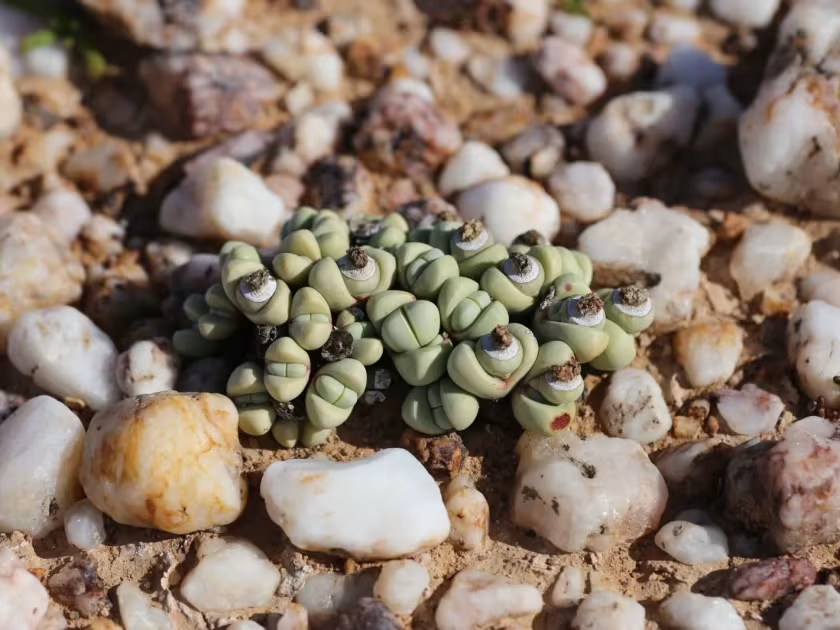
Description
Sowing dates
Sowing Argyroderma framesii seeds is best conducted during the spring months when the increasing daylight provides the necessary energy for germination.
The optimal temperature range for successful germination is between 20 and 25 degrees Celsius. Maintaining consistent heat is critical for root development.
Since the seeds are extremely small, they should be surface-sown on a moist, sterile sandy substrate. Do not cover them with soil, as they need light to initiate the germination process.
Covering the containers with clear glass or plastic creates a greenhouse effect. It is important to ventilate the container daily to prevent excess condensation and fungal outbreaks.
Seedlings grow slowly and should remain in the seed tray for at least one year before transplantation to ensure they are robust enough to withstand the move.
Growing requirements
As a member of the Aizoaceae family, Argyroderma framesii is native to the arid regions of South Africa. It requires very bright, direct sunlight to thrive in cultivation.
The soil must be highly inorganic and porous. A mix consisting of coarse sand, perlite, and a tiny amount of grit is ideal to provide perfect drainage and aeration.
Watering must be very selective. Provide water during the active growing season only when the soil is completely dry, and refrain from watering during the dormant winter phase.
Good air circulation is essential for the health of the plant. A well-ventilated location helps prevent humidity-related issues that often plague succulent collections.
The plant is adapted to high temperature fluctuations but should be protected from temperatures below 10 degrees Celsius to prevent cell structure damage.
Main diseases and pests
Root rot caused by overwatering is the primary cause of death for this species. It is vital to use pots with generous drainage holes to ensure no water remains in the substrate.
Mealybugs are common pests that hide in the crevices between the leaf segments. Regular inspection is necessary to catch and treat infestations early.
Spider mites can become a problem in dry, stagnant air conditions. Their presence is often indicated by tiny spots on the plant body and general loss of turgor.
Preventative measures include using sterile components for the growing medium and ensuring the plant receives adequate natural light to keep its tissues firm and healthy.
If pests appear, they can often be managed with a cotton swab dipped in isopropyl alcohol, which is safer for the plant than many chemical pesticides.