
Aponogeton subconjugatus
Aponogeton subconjugatus
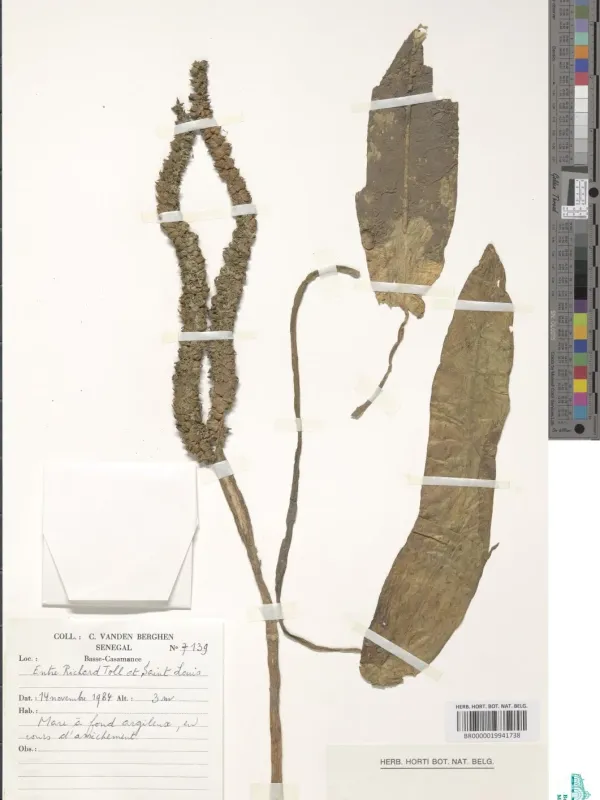
Description
Growing requirements
Aponogeton subconjugatus is a perennial aquatic plant belonging to the Aponogetonaceae family. This species is characterized by its rhizomatous structure, which allows it to store energy and survive during dry periods in its natural tropical habitat.
Originating from African wetland ecosystems, the species is adapted to fluctuating water levels. In an agricultural context, mimicking these natural seasonal cycles is essential for the long-term vitality of the plants in controlled environments.
The crop requires nutrient-rich, slightly acidic substrates to support its extensive root system. Ensuring proper circulation within the substrate is critical to prevent root rot and promote healthy nutrient uptake in a greenhouse setting.
Optimal growth conditions involve water temperatures ranging from 22 to 27 degrees Celsius. Light requirements are moderate; however, consistent and high-quality illumination is necessary to maintain vigorous photosynthesis and structural integrity.
The agronomic management of this species involves rigorous monitoring of water quality, including pH levels, hardness, and the concentration of essential macro and micronutrients. Maintaining a stable aquatic environment is the cornerstone of successful production.
Main diseases and pests
Fungal pathogens represent the most significant threat to the crop, particularly when water quality standards are not maintained. These infections can quickly compromise the integrity of the rhizome, leading to significant yield losses.
Invasive gastropods and crustacean pests can cause severe physical damage to the leaves. Integrated pest management strategies are recommended to mitigate these risks without resorting to harsh chemical treatments that could harm the plant.
Epiphytic algae proliferation on the foliage is a major challenge that blocks light and disrupts essential gas exchange. Managing nutrient load and maintaining a healthy biological balance in the water are the primary defense strategies.
Poor aeration and high levels of dissolved organic matter increase the susceptibility of the plants to bacterial necrosis. Periodic water changes and filtration maintenance are vital tasks for an agronomist managing this species.
Improper lighting conditions often lead to etiolation, where the plant develops weak, elongated stems. Adjusting the light spectrum and intensity based on the growth stage is essential for maintaining a strong and resilient crop.