
Aponogeton longiplumulosus
Aponogeton longiplumulosus
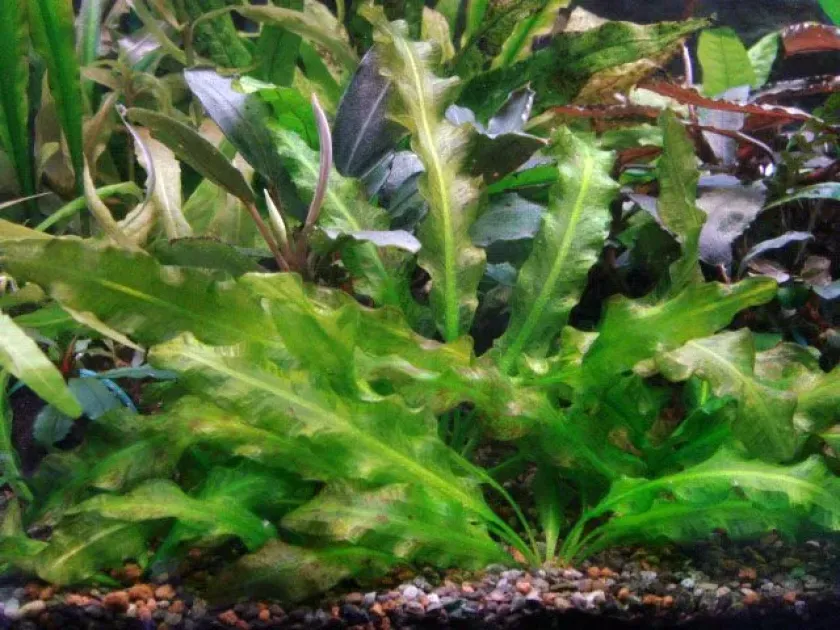
Description
Growing requirements
Aponogeton longiplumulosus is a tuberous aquatic plant originating from Madagascar. As a member of the Aponogetonaceae family, it is highly valued in aquarium hobby and commercial aquaculture for its unique, deeply ruffled, long, and elegant green leaves.
In its native environment, the plant grows in fast-flowing rivers, requiring clear, oxygen-rich water. To successfully cultivate this species, growers must replicate these conditions by providing a strong current and a well-oxygenated water column.
The substrate should be rich in nutrients, as the plant relies heavily on its root system to absorb minerals. Using a fine-grained, nutrient-dense aquatic soil or gravel with root tabs will significantly enhance the growth rate and color intensity of the foliage.
Temperature requirements typically range between 22°C and 26°C. While the plant is adaptable, it performs best under consistent conditions. Artificial CO2 injection and moderate-to-high lighting are essential for achieving the plant's full potential.
A notable botanical feature is its dormant phase. After a period of vigorous growth, the plant may drop its leaves to let the tuber rest. During this time, it is vital to reduce lighting and temperature to support the plant's biological recovery.
Main diseases and pests
Algae infestations represent the primary threat to the long, ruffled leaves of Aponogeton longiplumulosus. Once algae establish themselves on the complex leaf structure, it becomes difficult to remove them without damaging the delicate plant tissue.
Inconsistent water chemistry, particularly rapid fluctuations in pH or carbonate hardness (kH), can lead to leaf melting. This process is often irreversible and significantly weakens the health of the tuber if left unaddressed for an extended period.
Pests, such as various species of freshwater snails, can cause significant damage by feeding on young, tender leaves. Implementing a biological control strategy or manual removal is necessary to preserve the plant's decorative appearance.
Nutrient deficiencies, particularly involving iron and trace elements, lead to chlorosis and stunted growth. Regular monitoring of water parameters and the application of aquatic fertilizers are standard practices for healthy cultivation.
Bacterial or fungal infections of the tuber occur primarily in stagnant or anaerobic substrates. Maintaining high water quality and ensuring the substrate is well-drained prevents the development of rot, which is the most frequent cause of plant loss.