
Aponogeton desertorum
Aponogeton desertorum
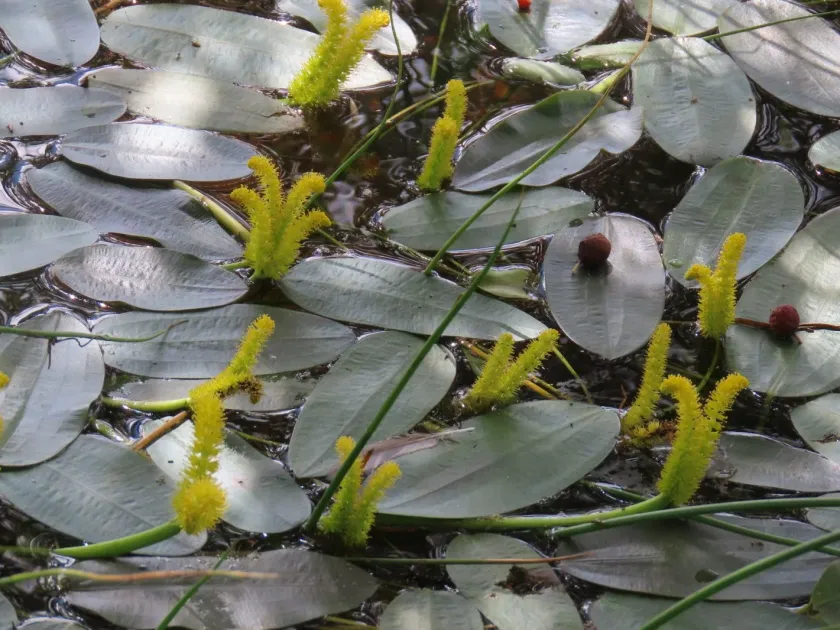
Description
Growing requirements
Aponogeton desertorum belongs to the Aponogetonaceae family and is recognized as a hardy perennial aquatic plant. It is biologically adapted to survive in seasonally drying water bodies, utilizing its tuber to store essential nutrients.
The cultivation requires a tropical temperature range, ideally between 22°C and 28°C. A nutrient-rich substrate is vital for the tuber to establish a strong root system, which serves as the foundation for rapid leaf development.
Water quality parameters, particularly pH levels and water hardness, must be maintained at stable levels. The plant prefers slightly acidic to neutral water to optimize nutrient uptake and prevent physiological stress.
Light management is crucial, as the plant thrives under moderate intensity. Excessive light exposure can induce thermal stress on the foliage, while insufficient light hinders the synthesis of pigments required for growth.
Seasonal management is a key agrotechnical requirement. Growers must implement a dormant period by reducing water temperature and illumination levels to mimic the natural dry season of the plant's native habitat.
Main diseases and pests
Fungal rot is the most significant threat to Aponogeton desertorum, often triggered by oxygen deprivation in the root zone or organic matter accumulation in the substrate. Maintaining substrate hygiene is paramount.
Invasive algae species represent a persistent threat by coating the delicate leaves, which leads to reduced photosynthetic efficiency and eventual decline of the plant specimen if not managed properly.
Gastropod pests, specifically aquatic snails, can cause extensive damage to the leaf tissue. Regular monitoring and physical removal are standard control measures used in commercial and hobbyist setups.
Nutrient imbalances, particularly deficiencies in iron or potassium, manifest as chlorosis or necrosis on leaf tips. Corrective fertilization strategies are necessary to maintain the health and vigor of the aquatic crop.
Mechanical damage to the tuber during transplanting or maintenance can introduce pathogens. Extreme caution is advised when handling the root system to prevent permanent damage to the plant's storage organ.