
Aponogeton lakhonensis
Aponogeton lakhonensis
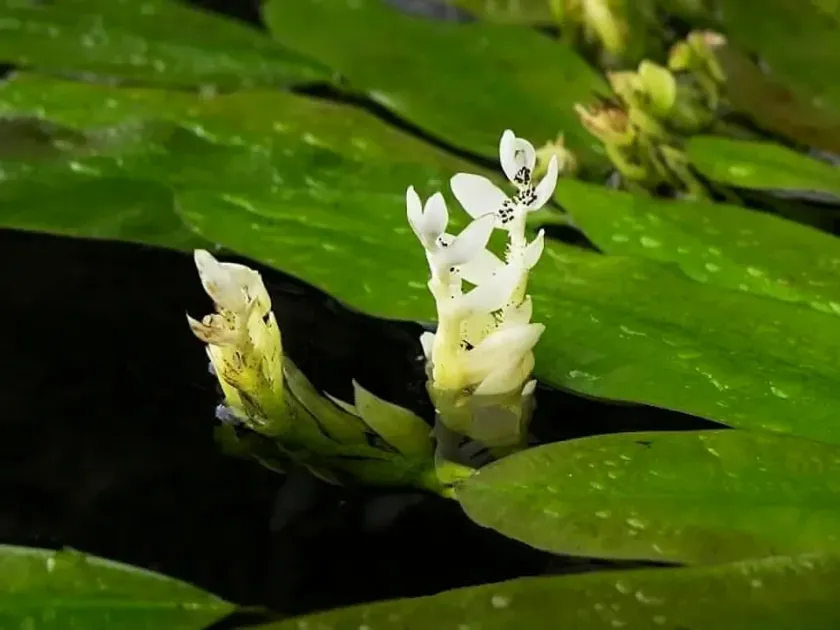
Description
Growing requirements
Aponogeton lakhonensis is a perennial aquatic plant species belonging to the Aponogetonaceae family. It is characterized by its tuberous rhizome and elegant, slender leaves that can either remain submerged or float on the water surface, depending on the current conditions and water depth.
The plant originates from the tropical regions of Southeast Asia, including Thailand, Vietnam, and Southern China. In its native habitat, it thrives in shallow ponds, slow-moving streams, and flooded agricultural areas, where it benefits from the nutrient-rich sediment typical of such ecosystems.
Cultivation requires specific environmental conditions, primarily stable water temperatures ranging from 22°C to 28°C. This species is sensitive to extreme temperature fluctuations, which can trigger an unexpected dormant phase and result in the loss of foliage, negatively affecting the plant's seasonal cycle.
Soil requirements are centered on nutrient-dense substrates, such as silt or clay-based aquatic soils. Providing a rich substrate is essential for the healthy development of the rhizome, as the plant relies heavily on nutrient uptake through its root system rather than through its leaves alone.
Lighting management is a critical factor in the agrotechnics of this species. While it can adapt to moderate light, high-intensity light promotes faster growth and better leaf coloration. Supplementing with CO2 and micro-nutrients is highly recommended for commercial production in hydroponic or aquarium environments.
Main diseases and pests
The plant is susceptible to various fungal infections if water parameters become unstable or if oxygen levels in the substrate drop significantly. Common pests in agricultural settings include aquatic snails or insect larvae that feed on the soft leaf tissue, which can drastically reduce the ornamental value of the crop.
Harvesting
The primary economic use for Aponogeton lakhonensis is within the ornamental horticultural industry, specifically for aquarium and pond supply markets. It is highly valued by hobbyists for its aesthetic appeal and its role in maintaining biological balance in aquatic environments through oxygenation.