
Aponogeton abyssinicus
Aponogeton abyssinicus
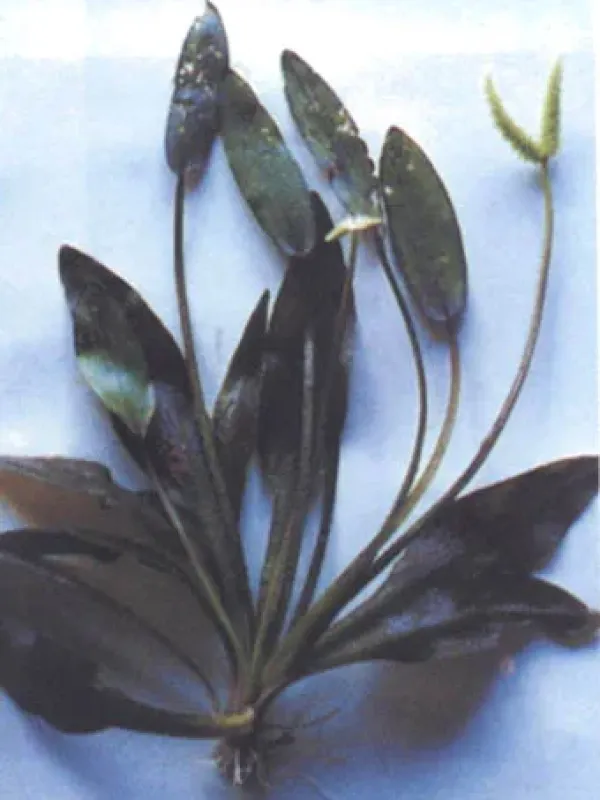
Description
Growing requirements
Aponogeton abyssinicus is a perennial aquatic plant belonging to the Aponogetonaceae family, native to the tropical regions of Africa, specifically the Ethiopian highlands. It thrives in freshwater ecosystems, often establishing itself in calm, slow-flowing, or stagnant water bodies rich in nutrients.
Botanically, this plant is characterized by tuberous rhizomes from which submersed, lanceolate leaves emerge. It is highly adapted to the unique climatic conditions of its habitat, where temperature fluctuations play a critical role in its growth cycle and phenological development.
Successful cultivation requires specific aquatic conditions, typically involving soft to moderately hard water with a pH range of 6.5 to 7.5. The temperature should be maintained between 22 and 26 degrees Celsius to simulate its natural tropical environment throughout the year.
Soil requirements for Aponogeton abyssinicus include a nutrient-dense, loamy, or silty substrate that provides structural support and essential minerals for root development. Adequate circulation of water around the root zone is necessary to prevent nutrient depletion and ensure efficient uptake of minerals.
The primary economic use of this species is in the ornamental horticulture sector, specifically for advanced aquarium displays and botanical greenhouse collections. Due to its attractive foliage and distinct flowering habits, it remains a sought-after subject for enthusiasts of rare aquatic flora.
Main diseases and pests
The main threats to the vitality of Aponogeton abyssinicus in managed environments are fungal infections and root rot, which typically occur due to poor water quality or anaerobic conditions in the substrate. Maintaining a healthy balance of microbial life in the soil is crucial.
Pests such as gastropods (aquatic snails) pose a significant threat by grazing on the succulent leaves, which can lead to severe structural damage and increased vulnerability to pathogens. Management strategies often involve careful monitoring and the exclusion of known harmful snail species.
Disease prevention focuses on maintaining chemical stability in the water column, particularly avoiding high concentrations of nitrogenous compounds. Regular water changes and the use of appropriate filtration systems are fundamental to preventing the proliferation of detrimental algae or bacteria.
Nutrient deficiency is another common issue, manifested as yellowing leaves or stunted growth. This can be mitigated by applying targeted root-zone fertilizers, which ensure the plant receives vital trace elements like iron and manganese, essential for its metabolic health.
Environmental stress, caused by rapid temperature shifts or improper lighting intensity, can weaken the plant's natural defense systems. Consistent lighting regimes and stable climate control are essential for sustaining a healthy population of this specialized tropical crop.