
Aponogeton crispus
Aponogeton crispus
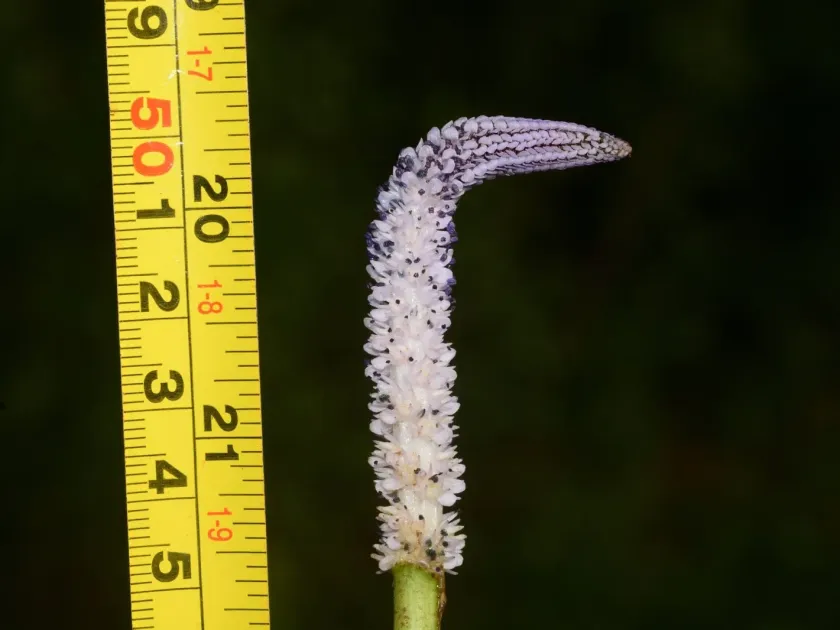
Description
Growing requirements
Aponogeton crispus is a perennial aquatic plant belonging to the Aponogetonaceae family. Native to the island of Sri Lanka, this species naturally inhabits both flowing rivers and stagnant ponds, showing great adaptability to different water conditions.
The plant is defined by its bulbous rhizome, from which arise long, lanceolate leaves featuring highly wavy or crinkled margins. These morphological traits make it a primary choice for hobbyists focusing on high-quality aquatic greenery.
Successful cultivation requires water temperatures ranging between 22 and 28 degrees Celsius. Clean, oxygenated water is essential for the healthy development of the plant, as it is highly sensitive to the accumulation of waste products in the substrate.
A nutrient-rich substrate is vital for this culture. Using aquatic soil enriched with clay and micronutrients allows the bulb to draw necessary minerals, resulting in vigorous leaf production and long-term plant stability.
A distinctive feature of this plant is its seasonal dormancy period. During this phase, the plant may shed its leaves, requiring the grower to reduce light intensity and temperature to allow the rhizome to recover fully before the next growing season.
Main diseases and pests
The most significant threats to Aponogeton crispus involve the deterioration of water quality. Excessive levels of nitrates and phosphates often lead to the rapid growth of algae, which cover the leaves and inhibit photosynthesis.
Improper lighting conditions can cause structural issues. Too little light results in weak, spindly growth, while overly intense light can scorch the leaves or accelerate the growth of detrimental algae species on the plant surface.
Pests, such as specific aquatic snails or crustaceans, can consume young leaves, causing mechanical damage that invites secondary bacterial or fungal infections in the vulnerable tissues.
Physiological stress frequently occurs when the dormancy period is ignored. Without a proper rest phase, the energy reserves of the bulb are exhausted, leading to premature decay and the eventual death of the aquatic plant.
Regular maintenance practices, including partial water changes and precise fertilization with iron and trace elements, are essential to minimize risks and ensure that the Aponogeton remains healthy and robust.