
Aponogeton hybrids
Aponogeton hybrids
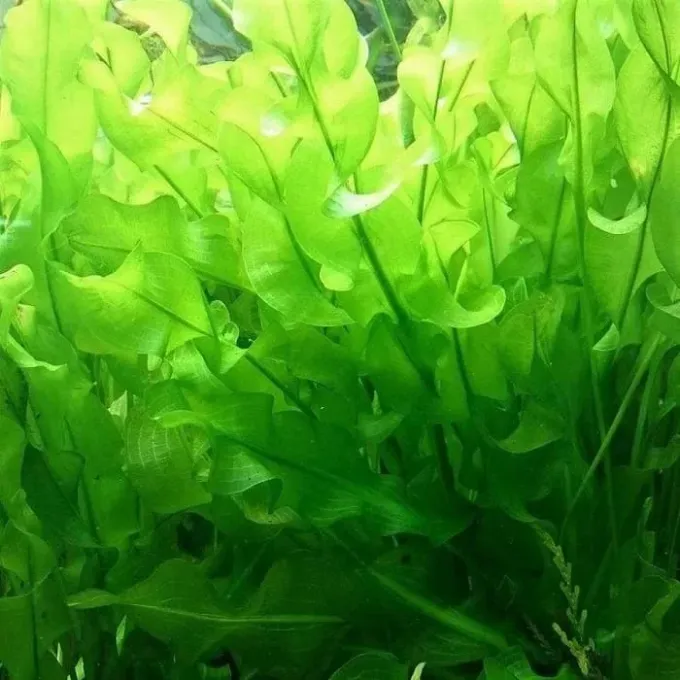
Description
Growing requirements
Aponogeton hybrids belong to the Aponogetonaceae family and are highly valued in the horticultural industry for their aesthetic appeal and rapid biomass production. These plants thrive in specialized aquatic environments where parameters can be strictly controlled.
Water temperature is a critical factor for success. Most hybrids prefer a stable range of 22–27°C. Maintaining appropriate water hardness and pH levels between 6.5 and 7.2 ensures that the plant can efficiently uptake nutrients through its root system.
The substrate must be rich in organic matter to support the rhizome. Commercial growers often utilize a mix of clay-based soils, which provide excellent cation exchange capacity. This allows for the slow release of fertilizers, preventing rapid depletion of nutrients.
Light intensity should be carefully managed to prevent the proliferation of epiphytic algae on the leaves. High-quality LED lighting systems provide the spectrum necessary for photosynthesis while minimizing excess heat buildup in the water column.
Water circulation is essential for the healthy growth of these plants. Gentle current helps in transporting nutrients to the roots and prevents the accumulation of waste products that could inhibit growth or cause physiological stress to the rhizome.
Main diseases and pests
Fungal diseases are the primary threat to the health of the rhizome, especially when the substrate becomes compacted and anaerobic. Proper substrate aeration is essential to prevent these infections from taking hold.
Leaf spot diseases, often caused by poor water chemistry or sudden environmental shifts, can significantly impact the plant's decorative value. Maintaining consistent environmental conditions is the most effective preventative measure.
Invertebrate pests, such as certain types of aquatic snails, can cause significant damage to young leaves. Implementing biological control methods or systematic monitoring can help protect the crop from these threats.
Nutrient deficiency, particularly iron or magnesium, leads to chlorosis. This condition makes the plants more susceptible to pathogens, emphasizing the need for balanced fertilization programs in intensive cultivation.
The accumulation of toxic heavy metals, often introduced via tap water, can lead to stunted growth and leaf deformation. Pre-treatment of water through reverse osmosis or carbon filtration is highly recommended for professional production.