
Aponogeton robinsonii
Aponogeton robinsonii
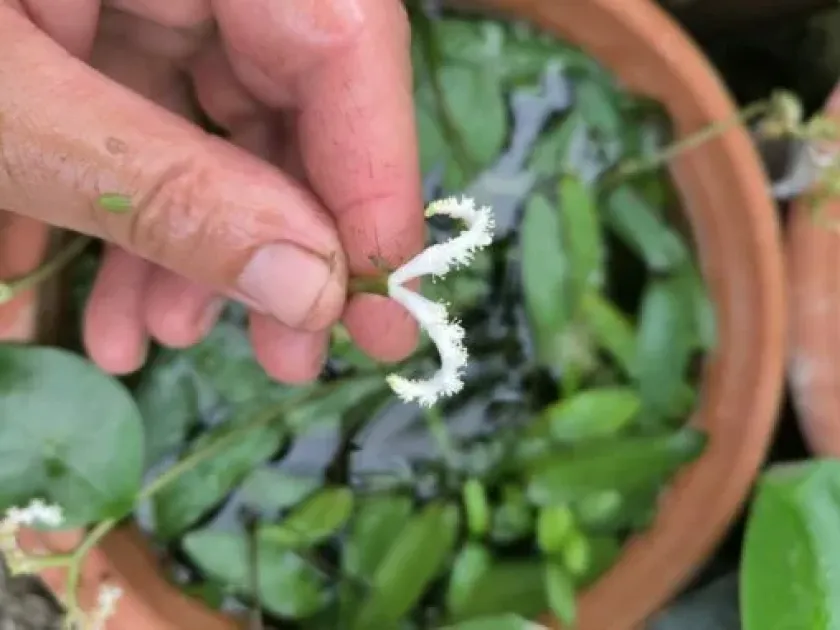
Description
Growing requirements
Aponogeton robinsonii is a distinct member of the Aponogetonaceae family. This perennial aquatic plant is native to tropical habitats, primarily thriving in slow-moving or stagnant water bodies where the substrate is rich in nutrients and organic matter.
Botanically, the species is distinguished by its tuberous rhizome, which serves as a primary energy reservoir. The foliage consists of slender, elongated leaves that display a unique vein pattern, making it a highly desirable specimen for high-end aquatic environments.
The optimal growing temperature for this species ranges from 22 to 26 degrees Celsius. Maintaining a consistent thermal environment is crucial, as significant fluctuations can trigger a dormancy period, causing the plant to lose its foliage prematurely.
The choice of substrate is critical for successful cultivation. A nutrient-rich, fine-grained substrate facilitates strong root development, which is essential for the plant to absorb necessary minerals and achieve a healthy growth rate.
Light intensity should be maintained at a moderate to high level. While the plant is adaptable, sufficient light is necessary to support the photosynthetic process and ensure that the leaves maintain their characteristic vibrant color and structural integrity.
Main diseases and pests
The most prevalent threat to Aponogeton robinsonii is the colonization of the leaf surface by filamentous or spot-forming algae. This parasitic growth obscures the leaves, significantly reducing the plant's ability to synthesize energy from light.
Root rot, often caused by stagnant soil conditions or anaerobic bacteria, is a severe threat that can quickly kill the plant. Ensuring adequate oxygen circulation within the substrate is a fundamental aspect of preventive agronomic management.
Aquatic pests, particularly certain species of snails, can cause mechanical damage to the delicate leaf tissue. These damages often create entry points for secondary bacterial infections, which can compromise the plant's entire vascular system.
Nutrient imbalances, particularly deficiencies in potassium or iron, often manifest as chlorosis or stunted leaf development. Without a balanced fertilization regimen, the plant becomes increasingly susceptible to environmental stress and disease.
Chemical stress due to incorrect pH or high hardness levels in the water can lead to structural brittleness. If the water chemistry is not aligned with the plant's natural requirements, the metabolic processes slow down, eventually leading to senescence.