
Aponogeton rigidifolius
Aponogeton rigidifolius
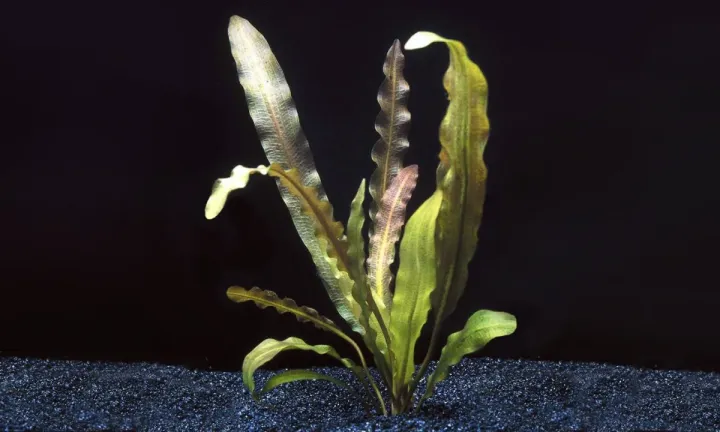
Description
Growing requirements
Aponogeton rigidifolius belongs to the Aponogetonaceae family and is recognized for its unique biological characteristics. Unlike most Aponogeton species, this plant does not produce a dormant tuber but develops from a creeping rhizome throughout the year.
The species originates from the fast-flowing streams of Sri Lanka. In its natural habitat, it thrives in clean, oxygen-rich waters, anchored securely to rocky or sandy substrates, which defines its preference for similar conditions in controlled environments.
Optimal growth requires a water temperature between 22 and 26 degrees Celsius. It is essential to maintain excellent water circulation to mimic its natural environment and prevent the accumulation of sediment on the rhizome, which is prone to rot.
Lighting should be moderate rather than intense. Excessive light exposure, combined with nutrient imbalances, often leads to the growth of algae on the thick, rigid leaves, which can severely inhibit the plant's photosynthetic capacity and aesthetic value.
A nutrient-rich substrate is vital for successful cultivation. The root system responds well to root tabs or specialized aquatic fertilizers placed in the substrate, ensuring that the rhizome receives the necessary minerals for consistent foliage development.
Main diseases and pests
The primary threat to the health of this culture is the infestation of epiphyte algae, specifically black brush algae, which can smother the leaves. Proper maintenance of CO2 levels and light duration is crucial to prevent such outbreaks.
Bacterial decay of the rhizome is a significant risk if the substrate becomes anaerobic. Proper filtration and ensuring the rhizome is not buried too deeply within the substrate are necessary measures to keep the specimen healthy and disease-free.