
Antennaria dioica
Antennaria dioica (L.) Gaertn.
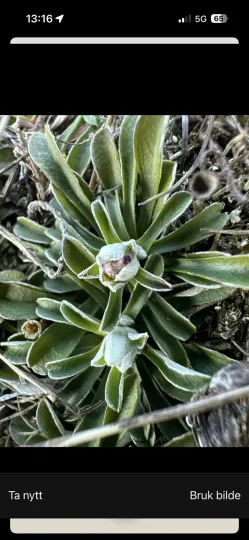
Description
Sowing dates
Antennaria dioica is typically propagated via seeds or vegetative division of the root mats, with division being the preferred method for uniform field establishment.
Seeds require a period of cold stratification and should be sown on the soil surface, as they need light to germinate, making late autumn the ideal sowing time.
For vegetative propagation, patches should be divided in early spring, ensuring that each segment includes healthy creeping shoots with active root primordia.
Spacing should be calculated based on the desired density, as the plant spreads horizontally through its stolons to form a dense mat over several growing seasons.
Initial establishment requires consistent moisture, but once the root system is well-developed, the plant becomes highly drought-tolerant and requires minimal intervention.
Growing requirements
This perennial belonging to the Asteraceae family is biologically adapted to harsh environmental conditions, commonly found in sandy, acidic, or nutrient-poor soils.
The crop thrives in full sun exposure; lack of light leads to poor development and makes the plant susceptible to competitive suppression by weeds.
Soil structure is critical; the medium must be highly permeable, such as sandy loam or gravelly soil, to prevent the root suffocation that occurs in heavy clay soils.
No heavy fertilization is required, as the plant is a specialist in nutrient-poor niches; excess nitrogen will encourage vegetative weakness and disease susceptibility.
It displays remarkable hardiness against frost and winter desiccation, mirroring its native habitats across the temperate regions of Europe, Asia, and North America.
Main diseases and pests
The most significant threats to plant health include root and crown rot, which are triggered by waterlogging and poor air circulation within the dense foliage.
Pests such as slugs and snails can cause significant damage to the leaf tissue during periods of high humidity, particularly in young, recently planted populations.
Integrated pest management should prioritize cultural controls, such as ensuring proper plant spacing to facilitate airflow and preventing excess moisture accumulation.
Fungal leaf spots can occur; these are usually managed by removing affected tissues and utilizing fungicides only if the infestation threatens the overall plot integrity.
Maintaining a weed-free environment is essential during the first year, as young Antennaria dioica plants are poor competitors and can be easily choked out by invasive species.