
Anacampseros rufescens
Anacampseros rufescens
Description
Growing requirements
Anacampseros rufescens is a perennial dwarf succulent belonging to the Anacampserotaceae family. Native to the rocky landscapes of South Africa, this plant has adapted to survive in harsh, arid environments where high temperatures and irregular rainfall are the primary limiting factors for growth.
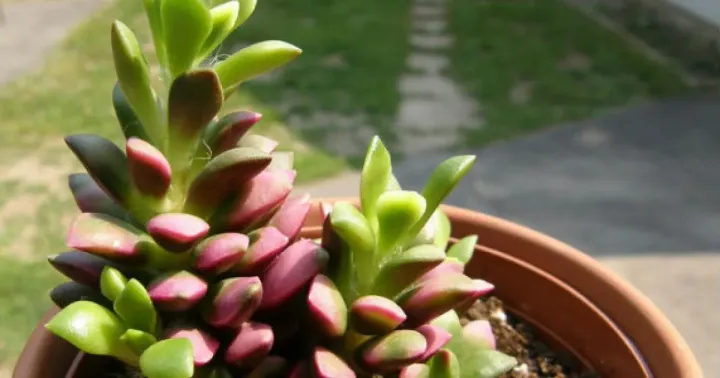
The plant features small, clustered rosettes of fleshy, ovate leaves that typically display deep purple, bronze, or reddish-brown tones. A unique morphological characteristic of this species is the presence of white, hair-like stipules in the leaf axils, which help to shield the plant from intense sun and reduce transpiration.
For successful cultivation, the species requires an exceptionally well-draining substrate. A professional potting mix for this plant should comprise equal parts of coarse mineral sand, crushed volcanic rock or perlite, and a small amount of organic material to ensure that roots do not remain damp for extended periods.
This crop thrives in high-light environments, requiring exposure to bright, filtered sunlight to maintain its characteristic pigmentation and compact shape. Insufficient light levels will lead to etiolation, where the plant loses its dense growth pattern and becomes weak, making it more susceptible to environmental stress.
Watering requirements are strictly regulated by the seasons. During the active growing phase, the substrate should be allowed to dry out completely between waterings. During the winter dormancy period, watering should be significantly reduced to match the slower metabolic rate of the plant and prevent moisture-related damage.
Main diseases and pests
The primary pests affecting Anacampseros rufescens are mealybugs, which often conceal themselves within the protective hair structures of the leaves. Systematic monitoring is essential, and localized applications of appropriate horticultural soap or systemic pesticides are recommended upon detection.
Root rot remains the most common threat to the vitality of the plant, often induced by waterlogged soil conditions or a lack of proper drainage. Growers should prioritize the use of terracotta or breathable pots and avoid water contact with the stem base to minimize the risk of fungal infections.