
Anacampseros filamentosa
Anacampseros filamentosa
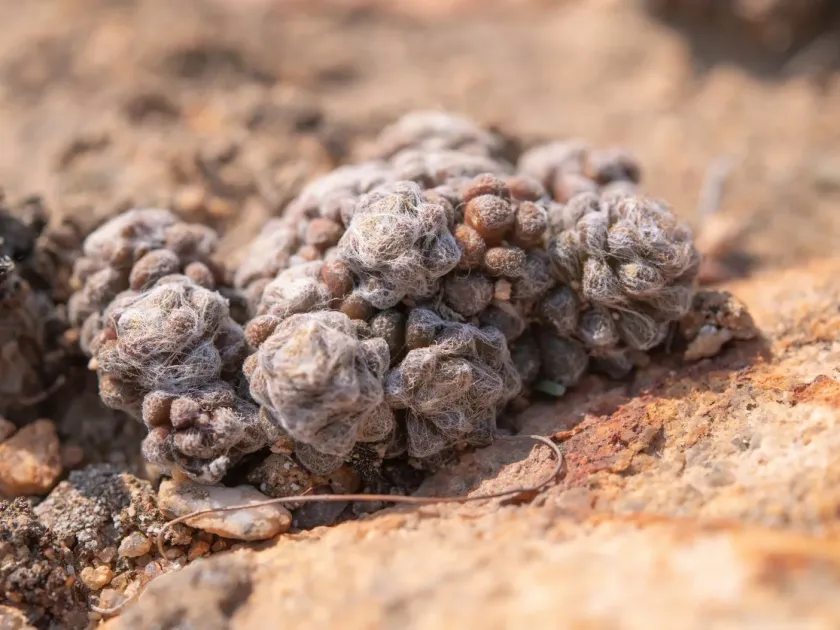
Description
Growing requirements
Anacampseros filamentosa belongs to the Anacampserotaceae family. Native to the arid regions of Southern Africa, this plant has adapted to survive in environments with high solar radiation and low precipitation.
Botanically, it is a small, succulent plant characterized by dense rosettes of fleshy leaves. It is distinguished by the presence of long, thread-like white hairs that cover the foliage, providing natural shade and protection.
Successful cultivation requires high levels of direct sunlight. Providing adequate light is crucial to maintaining the plant's structural integrity and preventing etiolation of the succulent stems.
The potting medium must be highly porous and well-drained. A standard cactus mix, modified with extra coarse pumice or grit, is recommended to ensure rapid drainage and prevent soil compaction.
Temperature management should reflect its natural habitat, with warm growing conditions (20–25°C) and a cool, dry dormant period (10–12°C) during the winter months to promote healthy development.
Main diseases and pests
The primary agricultural threat to this species is root rot caused by stagnant moisture. Over-watering creates an anaerobic environment that quickly destroys the sensitive root system.
Mealybugs are the most common pests, as the fine, thread-like hairs offer excellent shelter for these insects. Their presence can severely impact plant vigor and decorative quality.
Spider mites may also occur in environments with poor ventilation and high heat, leading to localized scarring of the plant surface and general decline in health.
Disease management focuses on preventive measures such as ensuring adequate airflow around the plant and avoiding overhead irrigation, which can leave moisture trapped between leaves.
Integrated pest management strategies involve the use of targeted systemic insecticides applied with caution to avoid damaging the plant's delicate epidermis or its characteristic white hair structures.