
Anacampseros albidiflora
Anacampseros albidiflora
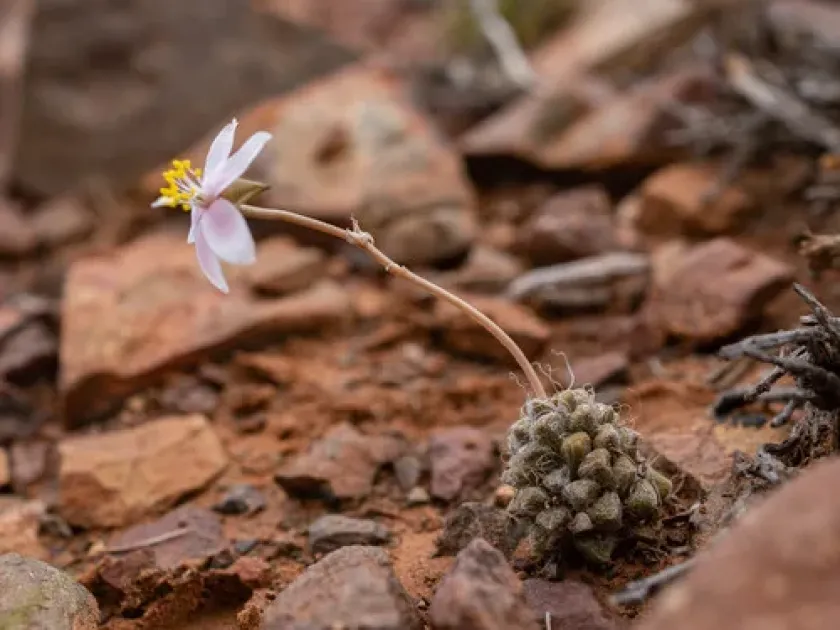
Description
Sowing dates
Propagation of Anacampseros albidiflora is primarily conducted through seeds, which should be sown during the spring season. This timing aligns with the natural growth cycle of the plant as the days begin to lengthen.
The seeds require a light, well-draining mineral-based substrate to ensure successful germination. A mixture of fine sand and perlite is ideal for providing the necessary moisture while preventing rot.
Temperature control during the germination phase is critical, with an optimal range between 20 and 25 degrees Celsius. Humidity should be kept moderately high initially, then gradually reduced as seedlings emerge.
Vegetative propagation via offsets or stem cuttings is also possible but requires careful handling due to the fragile nature of the plant stems. Cuttings must be allowed to callus over for several days before planting.
Newly propagated plants should be protected from intense direct sunlight for the first few weeks to allow the root system to establish without causing stress to the succulent leaves.
Growing requirements
Anacampseros albidiflora is a distinct succulent belonging to the Anacampserotaceae family, naturally occurring in the arid regions of Southern Africa. It requires specialized cultivation practices to thrive.
The soil must be extremely well-draining, mimicking the rocky or sandy environments of its origin. A standard mix should include grit, pumice, and a minimal amount of organic potting soil.
High light intensity is essential for maintaining the compact growth habit of the plant. If kept indoors, it should be placed in a south-facing window or under supplemental artificial lighting.
Watering frequency should be determined by the moisture content of the substrate; the soil must dry out completely between waterings. Overwatering is the most common cause of failure in cultivating this species.
Temperature fluctuations are generally tolerated, but the plant requires a dry, cool dormancy period during winter months. Maintaining temperatures around 10–15 degrees Celsius helps promote flowering in the spring.
Main diseases and pests
The most significant threat to the health of Anacampseros albidiflora is root rot caused by poor soil drainage or excessive irrigation. This condition often results in the sudden collapse of the plant base.
Mealybugs are the most prevalent pest, often hiding in the dense hair-like structures found between the leaves. They feed on plant sap, leading to weakened growth and susceptibility to secondary infections.
Spider mites may occasionally occur, particularly in environments with poor air circulation and low humidity. Regular monitoring and maintaining airflow are effective ways to prevent infestations.
Fungal infections can also occur if the humidity levels are too high, especially during the winter dormant season. Proper ventilation is vital to keep the foliage dry and free from mold.
In case of pest infestation, targeted use of insecticides is recommended, provided they are formulated for use on succulents. Always test any treatment on a small portion of the plant before full application.