
Anacampseros aizoon
Anacampseros aizoon
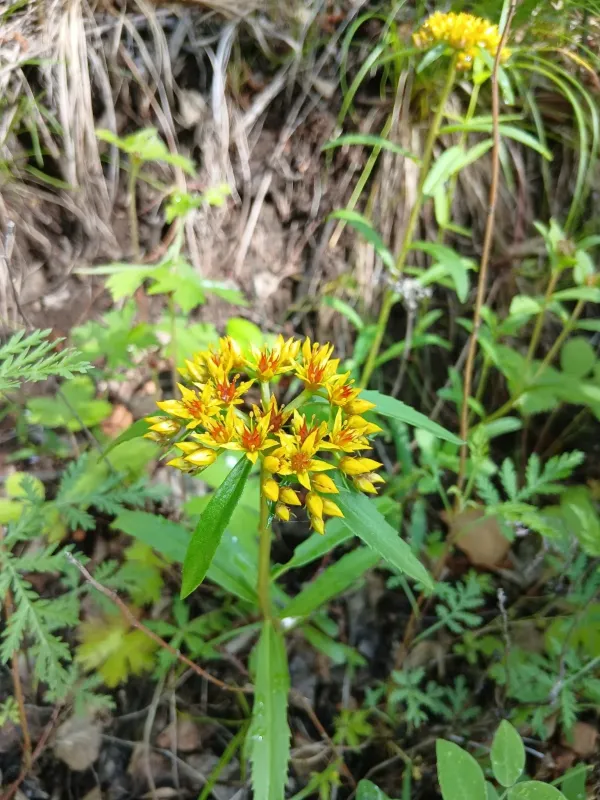
Description
Growing requirements
Anacampseros aizoon is a captivating succulent species belonging to the Anacampserotaceae family. Originating from the arid landscapes of Southern Africa, it is perfectly adapted to survive in harsh, low-rainfall conditions.
The plant features a rosette-like growth habit with fleshy leaves protected by a dense covering of fine hairs. These hairs act as a shield against intense solar radiation, reflecting light and preventing excess water loss.
Optimal growth requires a bright, sunny location. It thrives best when exposed to direct sunlight for several hours a day, which encourages the development of healthy, dense growth patterns.
Soil requirements are strict: the substrate must be highly porous and inorganic. A mixture of gravel, perlite, and coarse sand is recommended to ensure that water drains away from the roots immediately.
During the growing season, watering should be moderate and only performed when the soil has completely dried out. The dormancy period during winter requires dry and cool conditions to mimic the natural environment.
Main diseases and pests
The most significant threat to Anacampseros aizoon is root rot, which typically stems from overwatering or poorly draining soil mixtures during the cool dormant phase.
Mealybugs are the primary pest concern for this species. Their white, cottony appearance can be difficult to distinguish from the natural pubescence of the plant, allowing them to thrive unnoticed.
Spider mites may occasionally infest the plant, particularly in environments with low humidity and high temperatures, leading to stunted growth and leaf discoloration.
Preventative measures include maintaining excellent airflow around the plant and ensuring that no water remains in the leaf rosettes for extended periods, which could trigger fungal decay.
Early detection and the use of targeted insecticide treatments are the most effective ways to manage potential pest outbreaks without damaging the delicate, hairy structure of the leaves.