
Anacampseros papyracea
Anacampseros papyracea
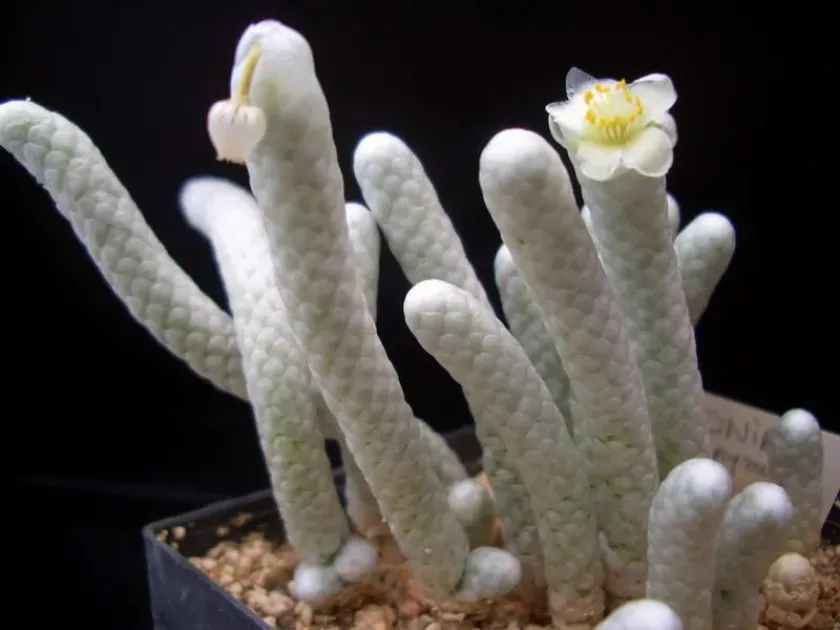
Description
Sowing dates
Propagation of Anacampseros papyracea is primarily achieved through seeds or stem cuttings, requiring specific environmental conditions for successful establishment.
Seeds should be sown on the surface of a sterile, well-draining mineral substrate, lightly covered to maintain humidity without inducing seed rot.
The ideal time for sowing is during the spring season, when temperatures range between 20°C and 25°C, promoting active germination and growth.
Covering the trays with clear plastic or glass helps maintain consistent moisture levels during the critical initial stages of seedling development.
Once seedlings are robust enough, they are transplanted into individual small pots, ensuring that the roots are not damaged during the transition.
Growing requirements
Anacampseros papyracea is a member of the Anacampserotaceae family, native to the arid and rocky landscapes of South Africa, where it thrives in extreme conditions.
The plant is botanically renowned for its protective papery stipules that completely hide the stem, acting as a sunscreen against intense desert radiation.
Cultivation requires a highly porous, gritty soil mix that prevents water logging and mimics the natural rocky habitat of this succulent species.
Bright, direct sunlight is essential for maintaining the dense, compact form of the plant; low light leads to etiolation and structural weakness.
Watering must be very infrequent, allowing the substrate to dry out completely between sessions to mimic the plant's native wet-dry cycle.
Main diseases and pests
Root rot is the most common threat, usually caused by overwatering or poor drainage systems that retain excessive moisture near the root zone.
Mealybugs are the primary pests that infest this species, often hiding deep within the papery layers, making them difficult to detect and eradicate.
Spider mites can also become a problem in dry, stagnant air conditions, damaging the aesthetic appearance of the delicate white papery foliage.
Regular inspection and the use of targeted insecticides or mild soap solutions are necessary if an infestation is detected in the collection.
Preventative measures include maintaining good airflow, using mineral-based soil, and avoiding overhead watering that traps moisture in the leaf axils.