
Anacampseros prominens
Anacampseros prominens
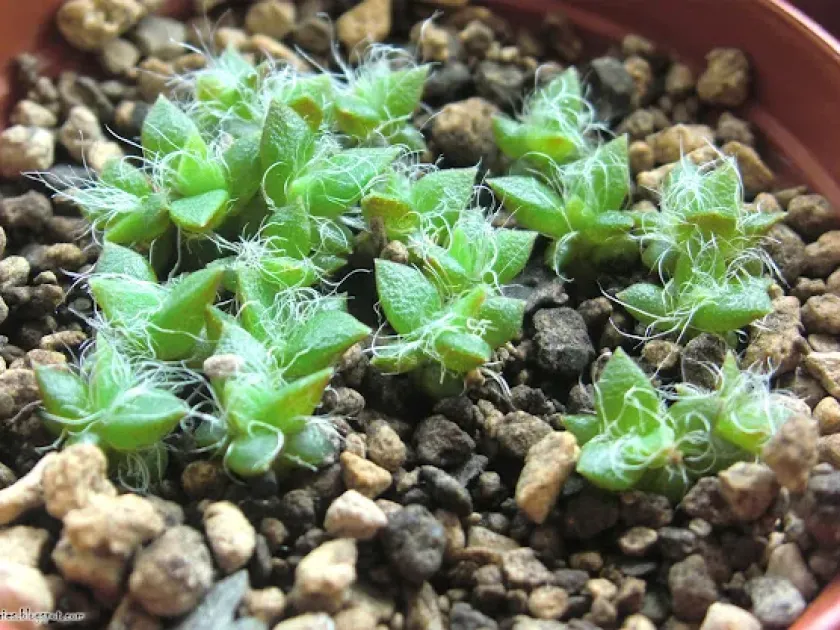
Description
Sowing dates
Propagation of this succulent is typically performed via stem cuttings during the active growing season to ensure high rates of successful rooting.
Seeds can be sown in a well-draining mineral-based substrate, keeping the soil surface consistently moist but not waterlogged until germination occurs.
Spring is the ideal time for both sowing and repotting, as it aligns with the plant's natural growth cycle following the dormant winter period.
It is crucial to maintain a warm environment between 20°C and 25°C to encourage faster development of the seedlings and prevent seed dormancy.
Seedlings should be kept in a bright location away from direct harsh sunlight until they are strong enough to withstand full exposure.
Growing requirements
Anacampseros prominens belongs to the Anacampserotaceae family and is native to the arid environments of South Africa, where it has adapted to intense heat.
This botanical species is known for its compact growth habit and distinct hair-like stipules that cover the leaves, providing protection against evaporation.
The plant requires full sun exposure and excellent ventilation; without adequate light, the plant will lose its aesthetic shape and structural integrity.
A specialized cactus mix, featuring a high percentage of pumice, perlite, or volcanic rock, is essential for maintaining proper drainage in the root zone.
Watering should be strictly regulated: deep soaking during active growth, followed by complete drying of the substrate to mimic the desert rainfall patterns.
Main diseases and pests
Root rot is the most prevalent threat, occurring primarily when the plant is kept in cold, damp conditions or in soil that retains too much moisture.
Mealybugs represent a significant pest risk, often hiding in the dense hair structures, which makes traditional manual removal difficult and labor-intensive.
Spider mites can also become a problem if the ambient humidity is too low for an extended period, requiring the use of systemic or contact miticides.
Preventative measures involve checking the soil's pH levels and ensuring that pots have sufficient drainage holes to allow excess water to escape quickly.
Good agricultural hygiene, including the removal of dead leaves and debris from the base of the plant, significantly lowers the risk of fungal infections.