
Ammocharis
Ammocharis
Ammocharis is a genus of perennial bulbous plants belonging to the Amaryllidaceae family. Originating from the arid and semi-arid regions of Southern and Tropical Africa, these plants have evolved specialized survival mechanisms for harsh, dry environments.
What the section contains

Ammocharis
To cultivate Ammocharis successfully, one must replicate its natural habitat conditions. The plants require high light intensity during their active growing season, making them suitable for sunny windowsills or greenhouse environments where natural light is abundant.
The growing medium must be exceptionally well-draining. A mix consisting of sandy soil, gravel, and perlite is essential to ensure that water does not accumulate around the bulb. Poor drainage is the most common cause of failure in cultivating this genus.
Temperature management is critical; the plants flourish in warm conditions but require a distinct period of dormancy in a cooler environment. During the dormant phase, water should be strictly withheld to prevent rot and to prepare the plant for the next cycle.
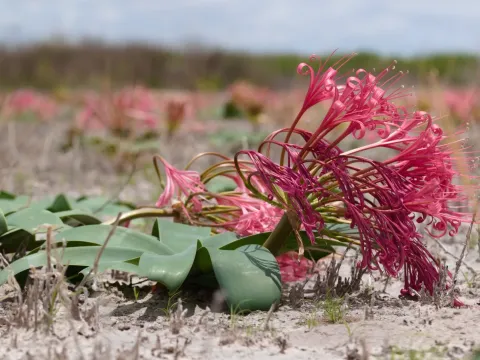
Botanically, Ammocharis is characterized by large, often partially exposed bulbs and distichous or rosetted leathery leaves. The flowers are produced in large, showy umbels that emerge from the center, creating a stunning display after the plant receives sufficient seasonal moisture.
The primary threat to the health of Ammocharis is root and bulb rot caused by excessive soil moisture and poor airflow. Maintaining a dry environment during the plant's resting phase is the most effective preventative measure against these fungal pathogens.
Pest issues often include mealybugs and spider mites, which can infest the foliage, especially in environments with low humidity. Growers should monitor the leaf bases and undersides closely, using appropriate horticultural soaps or systemic pesticides if an infestation occurs.