
Alysicarpus tetragonolobus
Alysicarpus tetragonolobus
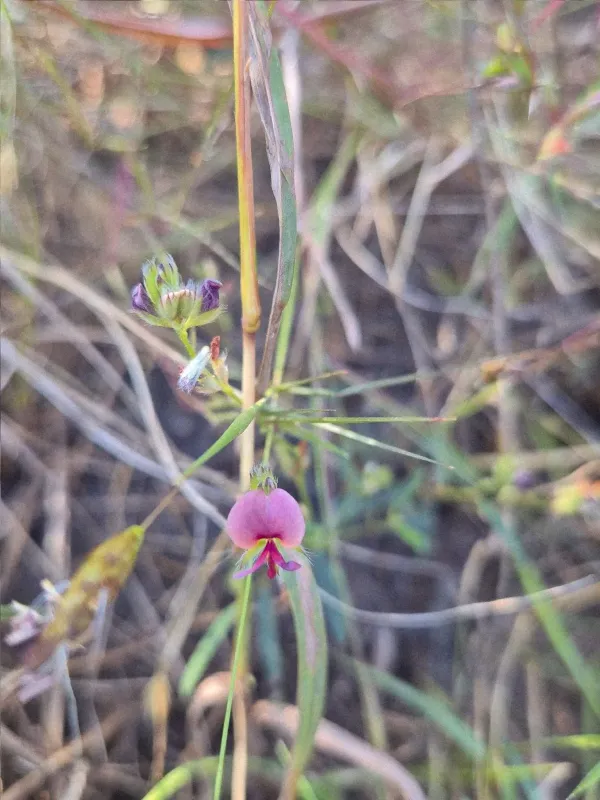
Description
Sowing dates
Sowing Alysicarpus tetragonolobus should ideally coincide with the onset of the rainy season to ensure sufficient moisture for seedling establishment.
The optimal planting time generally falls between May and June, depending on local precipitation patterns and temperature trends.
Seeds are typically sown at a shallow depth of 1–2 centimeters, which facilitates rapid germination and reduces emergence time.
Row planting is recommended over broadcasting to allow for easier weeding and better air circulation between plant rows during the growing season.
Soil preparation should involve thorough plowing and harrowing to create a fine tilth, which is essential for the uniform growth of this legume crop.
Growing requirements
Belonging to the Fabaceae family, Alysicarpus tetragonolobus is a resilient herbaceous plant adapted to warm, tropical, and subtropical climates.
It thrives in well-drained loamy or sandy soils, showing sensitivity to prolonged waterlogging which can stunt root development and growth.
The plant requires full sun exposure to maximize its photosynthetic activity and nitrogen fixation capacity in symbiosis with root bacteria.
Maintaining a neutral to slightly acidic soil pH is crucial for optimizing the availability of essential nutrients required for healthy biomass production.
The crop is known for its moderate drought tolerance once established, though consistent rainfall significantly increases its overall forage yield.
Yield
This crop is primarily utilized as a high-quality forage plant, providing essential protein and minerals for various types of livestock.
Its ability to provide continuous growth makes it an excellent choice for rotational grazing systems in intensive agricultural settings.
The biomass yield can be substantial under favorable management practices, including appropriate spacing and basic fertilization with phosphorus.
It can also be harvested for hay production, which remains palatable and nutritious for cattle during the dry season or off-peak periods.
Integrated farm systems often benefit from planting this crop, as it helps improve soil structure and fertility through nitrogen fixation.
Main diseases and pests
Common agricultural pests affecting Alysicarpus tetragonolobus include leaf-eating beetles and aphids that can cause significant damage to young foliage.
Fungal diseases, including powdery mildew and various leaf spot pathogens, may emerge during periods of high humidity and poor field ventilation.
Regular field scouting is essential to identify early pest infestations and implement timely control measures before economic damage occurs.
The use of sustainable integrated pest management (IPM) practices is highly recommended to protect the crop while preserving beneficial insect populations.
Crop rotation helps break the life cycles of soil-borne pathogens and reduces the reliance on synthetic pesticides for long-term production sustainability.
Harvesting
Harvesting for forage should take place at the early flowering stage to achieve the ideal balance between biomass volume and nutritional quality.
Cutting should be performed at a height of 5–10 centimeters from the ground to protect the crown and promote rapid regrowth for subsequent harvests.
Sun-drying the harvested biomass is common, with the goal of reducing moisture content to approximately 15 percent for stable storage as hay.
When the crop is grown for seed production, harvesting is delayed until the pods turn brown to minimize seed shattering and yield loss in the field.
Utilizing appropriate machinery for harvesting ensures a clean cut and helps preserve the integrity of the plant material for livestock consumption.