
Alysicarpus ovalifolius
Alysicarpus ovalifolius
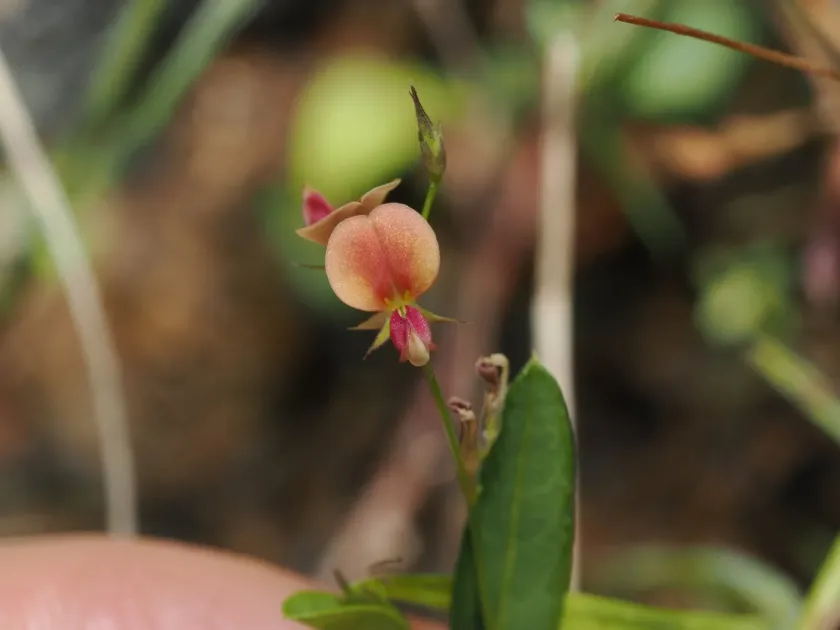
Description
Sowing dates
Alysicarpus ovalifolius is a member of the Fabaceae (legume) family, widely recognized for its potential as a forage crop in tropical and subtropical regions.
Sowing should take place at the onset of the rainy season to ensure that the seedlings have sufficient soil moisture to establish a robust root system during the early stages.
The seeds are typically sown at a depth of 1–2 cm. Proper soil contact and light coverage are essential to ensure uniform germination across the field.
Row sowing is the preferred method, as it facilitates weed control and creates an orderly canopy that promotes better air circulation and light penetration.
Initial growth can be slow compared to aggressive weeds, making it necessary to monitor the seedlings closely during the first few weeks of the growing season.
Growing requirements
This species is highly adaptable and thrives in a variety of soil types, including sandy and relatively nutrient-poor substrates, which makes it suitable for land improvement.
It exhibits notable drought tolerance, allowing it to survive periods of limited rainfall that would otherwise stress less resilient forage species.
Full sunlight is preferred for optimal growth; however, the plant can tolerate partial shade, though this often results in a lower overall biomass yield.
While the crop is hardy, providing consistent water during the vegetative growth phase significantly boosts the production of succulent, protein-rich foliage.
Alysicarpus ovalifolius effectively fixes atmospheric nitrogen through symbiotic relationships, contributing to improved soil fertility for successive crops in a rotation.
Yield
The primary agricultural use of this plant is as a high-quality forage source for cattle, sheep, and goats, serving as a reliable feed resource in tropical climates.
The biomass produced is nutritious, offering a good balance of protein and fibers that are essential for animal health and productivity in pastoral systems.
Under managed grazing or harvesting conditions, the plant is capable of regenerating quickly, providing multiple cuts throughout a single growing season.
Beyond livestock feed, the crop serves as an excellent ground cover, helping to prevent soil erosion on sloping terrains and protecting the soil surface.
Its role as a green manure crop is also significant, as it adds organic matter and nitrogen back into the soil profile upon decomposition.
Main diseases and pests
Fungal diseases, such as leaf spot, are common threats, particularly in areas characterized by high humidity and poor drainage, which favor pathogen development.
Insect pests, including aphids and various coleopterans, may damage foliage and developing seeds, potentially impacting both biomass and seed quality.
Root-knot nematodes can occasionally pose a risk, especially in fields where intensive cropping cycles are practiced without adequate rest periods.
Effective management strategies include crop rotation, maintaining appropriate planting densities, and conducting regular scouting to detect infections early.
By preventing excessive canopy moisture and promoting vigorous plant growth, farmers can mitigate most of the risks associated with common pests and diseases.
Harvesting
Harvesting for fodder should ideally begin at the onset of the flowering stage, which ensures the highest concentration of digestible protein and nutrients.
Stubble height should be maintained around 5–8 cm to encourage regrowth and prevent damage to the crown of the plant, ensuring sustained yields over time.
When producing hay, careful drying in windrows is necessary to preserve the delicate leaves, which are the most nutrient-dense part of the plant material.
Seed harvest is performed once the pods have turned a mature dark brown color and the seeds within have hardened sufficiently to prevent spoilage.
After the final harvest, the remaining stalks can be incorporated into the soil as organic amendment, closing the nutrient cycle effectively.