
Alysicarpus monilifer
Alysicarpus monilifer
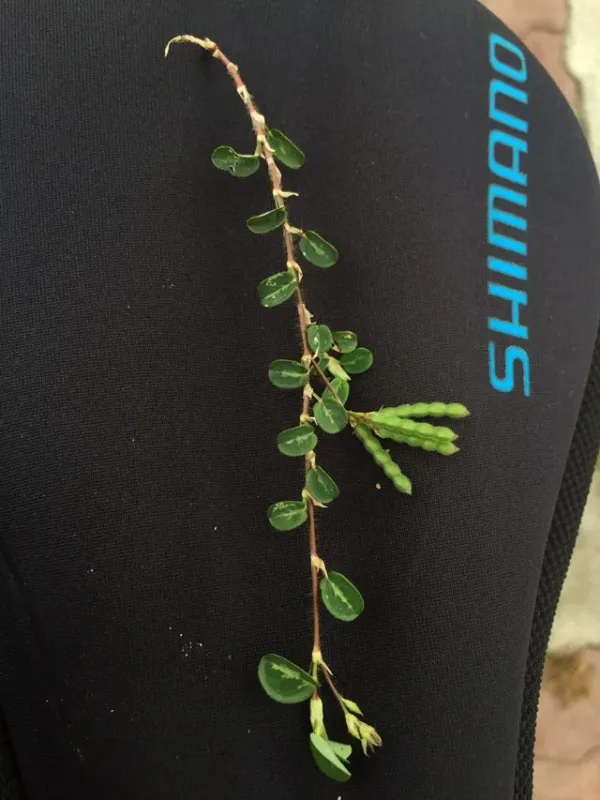
Description
Sowing dates
Alysicarpus monilifer belongs to the Fabaceae family and is a prostrate perennial herb. It is characterized by its ability to spread rapidly across the soil surface, making it an excellent candidate for soil stabilization.
Sowing should coincide with the beginning of the rainy season or when temperatures are consistently warm. The seeds have a hard coat, so mechanical or chemical scarification is often recommended to ensure uniform germination.
Seed depth should be maintained between 1 to 2 centimeters to provide adequate soil moisture while ensuring the seedlings can emerge successfully. Proper moisture management in the first two weeks is crucial for establishment.
Seeding rates depend on the intended use, whether it is for dense forage production or as a protective ground cover. In mixed pastures, it is often sown alongside fast-growing grasses to maximize biomass production.
Well-prepared seedbeds, free from aggressive weeds, significantly improve the establishment success rate, allowing the legume to dominate the area quickly.
Growing requirements
This crop is highly adaptable to various soil types, ranging from sandy soils to heavier loams. It thrives in well-drained conditions and is capable of tolerating temporary dry spells due to its deep taproot system.
Alysicarpus monilifer is a sun-loving plant and performs poorly in shaded environments. It requires significant solar radiation to maintain active growth and nitrogen fixation processes during the peak of the season.
It prefers warm, tropical, or subtropical climates, with optimal growth occurring at temperatures between 25 and 35 degrees Celsius. It can survive in regions with erratic rainfall patterns by entering a semi-dormant state.
The plant benefits from nitrogen-fixing bacteria nodules on its roots, reducing the need for synthetic nitrogen fertilizers. Minimal phosphorus application at planting can enhance root development and overall stand density.
Its ability to enrich the soil with nitrogen and improve structural integrity makes it a highly sustainable choice for crop rotation in arid or semi-arid regions.
Yield
The primary use of Alysicarpus monilifer is as high-quality forage for livestock. It is rich in protein and provides excellent nutritional value, making it highly palatable to sheep, goats, and cattle.
Beyond its feed value, it is widely utilized as a green manure or cover crop. It protects the soil from erosion caused by heavy rains or wind, while also improving moisture infiltration into the lower soil profiles.
Biomass yields vary based on fertility and rainfall, but it is capable of multiple cuttings in a single growing season if managed correctly. High density and timely cutting promote better re-growth.
The seeds can be harvested and used for further cultivation or as a concentrated supplement in livestock feed mixes, as they contain beneficial nutrients and energy.
By suppressing weed populations through its dense canopy, the crop reduces the overall management costs for producers while simultaneously improving the long-term fertility of the land.
Main diseases and pests
The plant is generally robust and resistant to many standard agricultural pests and diseases. However, excessive moisture during the flowering phase can lead to fungal leaf spot infections if air circulation is poor.
Some chewing insects and caterpillars might occasionally feed on the foliage. Usually, these infestations are minor and do not require heavy chemical interventions, especially when biodiversity is maintained in the surrounding area.
Invasive weed competition during the seedling stage is the most significant threat to a successful crop. Effective weed control in the first month is essential for the stand to secure its position.
Overgrazing is a significant risk factor. Managing livestock grazing intensity by using rotational patterns allows the plant to recover and maintain its productivity over multiple seasons.
Regular field scouting helps detect early signs of nutrient deficiencies or pest pressure, allowing farmers to take proactive, low-impact measures to protect the crop.
Harvesting
Harvesting for fodder should ideally take place during the early to mid-flowering stage. This timing ensures the highest protein content and maximum digestibility for the animals.
For hay production, the cut material should be spread thinly to dry rapidly, preventing the loss of nutrient-dense leaves. Once dried, it should be baled and stored in a cool, dry environment to maintain quality.
Seed harvesting is conducted when the pods have fully matured and turned brown. Timing is critical to prevent the pods from shattering and losing seeds on the field floor.
Modern harvesting machinery can be adapted for the crop to minimize seed loss and ensure clean separation of plant material. Efficient post-harvest processing ensures long-term viability of the seeds.
Integrating the plant residues back into the soil after the final harvest helps build organic matter and prepares the soil for subsequent crops in the rotation cycle.