
Alysicarpus bupleurifolius
Alysicarpus bupleurifolius
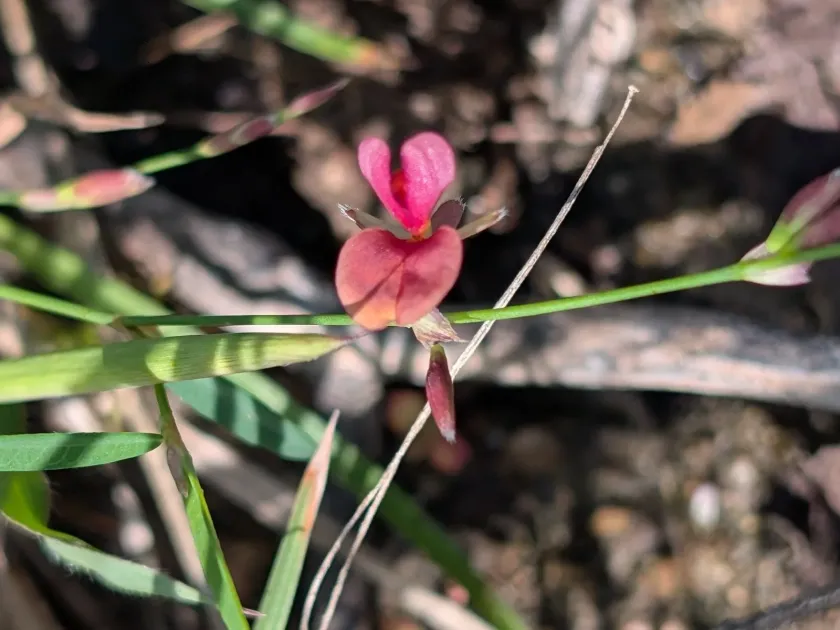
Description
Sowing dates
Alysicarpus bupleurifolius is an annual herbaceous plant, so its sowing is typically planned for the beginning of the rainy season. The optimal timing falls within the period when the soil is sufficiently warm and moist, ensuring uniform seed germination.
The sowing technology involves pre-cultivation soil preparation by light tilling, as the seeds of this culture are sensitive to soil density. The seeding rate should be calculated based on the intended use: it is higher for biomass production than for seed production.
The planting depth for the seeds is usually no more than 1 to 2 centimeters. Surface sowing is acceptable only under conditions of high air and soil humidity during the first weeks after planting to prevent embryo desiccation.
In regions with a pronounced monsoon climate, sowing is carried out immediately after the onset of stable rainfall. This allows the plant to maximize the wet season for vegetation before the drought sets in.
It is important to monitor for competition from weeds during the first 20 days of the seedlings' life. During this phase, the crop develops slowly, making timely weeding at the initial stage critically important for establishing a robust stand.
Growing requirements
This crop belongs to the Fabaceae family and is valued for its nitrogen-fixing capabilities. It prefers well-drained, loamy, or sandy soils, but it also demonstrates high tolerance to temporary waterlogging, which allows it to be used in low-lying areas.
The plant exhibits good resistance to variations in soil acidity, making it suitable for cultivation on reclaimed lands in tropical regions. Alysicarpus bupleurifolius requires sufficient sunlight for full photosynthesis.
The temperature optimum for active growth is between +20 and +30 degrees Celsius. The crop reacts negatively to sharp frosts, which is why its range is limited to tropical and subtropical zones of Asia and Africa.
Under conditions of high solar radiation, the plant forms a branched root system that helps it withstand short-term drought periods. Furthermore, the crop responds well to phosphorus fertilization to stimulate root development.
For intensive cultivation, it is necessary to avoid overly heavy clay soils prone to crust formation. A loose substrate structure promotes better air penetration to the roots and active nodule bacteria activity.
Yield
The biomass yield of Alysicarpus bupleurifolius varies depending on soil fertility and rainfall intensity. On average, under favorable conditions, the crop allows for several cuts per season.
The primary economic use of the plant is concentrated in the livestock sector. It serves as a valuable component of pasture mixtures, possessing high nutritional value and good palatability for farm animals, including cattle.
The leaf blade of the plant remains soft and succulent in the pre-flowering phase, ensuring a high feed conversion rate for animal productivity. When dried, the crop retains its quality and is suitable for making hay.
Its use as green manure also provides a positive effect. Thanks to its nitrogen-enriched biomass, the plant helps improve soil structure and fertility for subsequent crops in a rotation.
For seed propagation, grain yield depends on the collection phase and the degree of pod shattering. Timely harvesting prevents spontaneous seed dispersal, which is a characteristic feature of many legumes.
Main diseases and pests
Typical diseases for this crop include fungal infections that develop in conditions of high humidity, such as powdery mildew or root rots. Prevention consists of adhering to crop rotation and avoiding overwatering.
Pests affecting legumes in tropical climates include various weevils and aphids. These insects can damage both the aerial part of the plant and seed pods, significantly reducing yield.
For pest control, the use of biological protection methods is recommended. The application of chemical insecticides is possible only at early stages, as the crop is intended for animal feed, requiring strict observance of pre-harvest intervals.
Weed vegetation poses a serious threat at the seedling stage. Intensive weed growth can lead to the suppression of Alysicarpus, thus requiring mechanical or manual inter-row weeding.
Nematode infestation is also possible when the crop is continuously grown on the same plot for several years. It is recommended to rotate Alysicarpus with crops from the Poaceae family to break the life cycle of parasites.
Harvesting
Harvesting for green mass is conducted during the mass flowering phase, when the biomass reaches maximum nutritional value. Mowing too late leads to stem coarsening and a decrease in protein content.
When preparing hay, it is important to ensure uniform drying of the mown mass under a shelter or in the sun, avoiding excessive brittleness of the leaves. Well-prepared hay from Alysicarpus has a pleasant aroma and high vitamin content.
For seed harvesting, operations begin when the pods change color to dark, indicating full maturity. Since maturation is often uneven, periodic monitoring of the crop state is required.
Mechanical harvesting requires adjustment of headers to minimize losses during cutting. The use of shredders allows for immediate preparation of the mass for ensiling if weather conditions do not permit drying.
Seed storage should be carried out in a cool, dry, and ventilated place. This protects the planting material from mold and damage by storage pests until the beginning of the next planting season.