
Alysicarpus longifolius
Alysicarpus longifolius
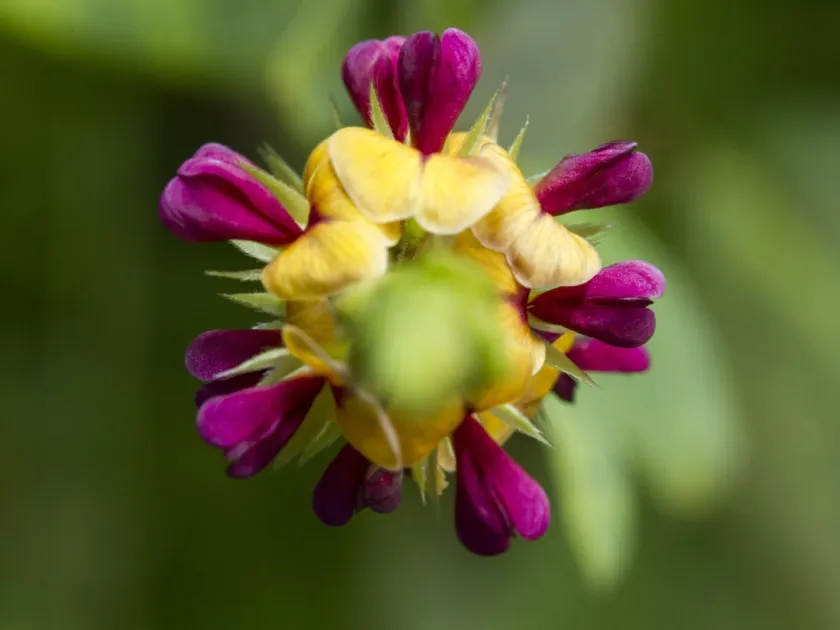
Description
Sowing dates
Alysicarpus longifolius is a member of the Fabaceae (Legume) family. It is a perennial herbaceous plant widely recognized in tropical regions for its ability to produce significant biomass during the wet season.
Sowing is typically performed at the onset of the monsoon rains to ensure adequate soil moisture for germination. The seeds require stable temperatures, ideally between 25 and 30 degrees Celsius, for rapid establishment.
A seeding rate of 10–12 kg per hectare is recommended for row planting. Seeds should be sown at a depth of 1–2 cm to avoid burying them too deep, which could prevent the seedlings from emerging through the soil surface.
Field preparation requires thorough plowing and leveling to create a uniform seedbed. Since the young plants are susceptible to weed competition, early inter-row cultivation is essential for maintaining crop health.
Optimizing plant spacing ensures a dense canopy, which not only suppresses weeds but also protects the soil surface from high-intensity tropical rainfall, reducing the risk of erosion.
Growing requirements
The plant thrives in tropical and subtropical climates with annual rainfall exceeding 700–800 mm. While it demonstrates notable drought tolerance, it requires consistent moisture to achieve maximum yield potential.
Alysicarpus prefers well-drained sandy loam or loamy soils. It does not perform well in waterlogged conditions, as high soil moisture saturation can lead to root system decay and poor plant development.
The optimal soil pH range for this crop is between 6.0 and 7.5. It is known to benefit from phosphorus fertilization, which encourages the development of deeper roots and enhances the symbiotic relationship with nitrogen-fixing bacteria.
As a light-demanding species, it requires full sun to maintain vigorous growth. Shade from taller trees or dense planting structures can lead to thinner stems and reduced overall nutritive value of the forage.
Its ability to improve soil nitrogen levels makes it a beneficial component of crop rotation systems, helping to rejuvenate fields and provide a favorable environment for subsequent cereal crops.
Yield
The primary use of Alysicarpus longifolius is as a high-quality forage crop for livestock. It serves as an excellent source of protein, especially when harvested during the vegetative stage.
Under optimal management conditions, the green biomass yield can range from 15 to 25 tonnes per hectare. Multiple cuts per season are possible if moisture levels remain sufficient throughout the growing period.
Harvesting should be timed to catch the early flowering phase. This timing ensures the best balance of crude protein content and digestible fiber, making the forage highly palatable for cattle and small ruminants.
The crop is known for its rapid regrowth capacity after cutting. This trait allows for consistent biomass production, which is vital for maintaining livestock feed security during the peak of the growing season.
Beyond its feed value, the crop acts as a cover plant. Its extensive root system stabilizes the topsoil, which is particularly beneficial in preventing soil degradation in tropical agricultural landscapes.
Main diseases and pests
Fungal diseases, including various leaf spot pathogens, are the main threats to Alysicarpus, particularly during periods of high humidity and rainfall. These pathogens reduce the plant's capacity for photosynthesis.
Insect pests, such as various lepidopteran caterpillars, may cause significant defoliation if left unchecked. Routine field monitoring is critical to detect infestations early and implement necessary control measures.
Root rot, often caused by poor drainage, is a common issue in poorly managed fields. Ensuring proper field leveling and installing drainage channels can prevent the accumulation of stagnant water.
Weed management is vital during the first few weeks after emergence. If left unmanaged, common tropical weeds can easily overtake the slow-starting legume seedlings, leading to substantial yield losses.
Crop rotation serves as a fundamental preventive measure against the buildup of soil-borne pathogens. A minimum break of 2–3 years is recommended before planting Alysicarpus on the same field again.
Harvesting
Harvesting for green fodder is most effective when the plants begin to flower. This phase represents the peak nutritional value, as the ratio of leaves to stems is at its highest.
For hay production, the material should be cut during dry conditions and dried quickly. Utilizing modern tedders or hay rakes helps to reduce drying time, thereby preserving the essential nutrients and vitamins found in the foliage.
Seed harvesting should occur when the pods turn deep brown. Great care must be taken to harvest just before the pods start to shatter to prevent seed loss, which is common in many leguminous crops.
Post-harvest processing involves threshing and cleaning the seeds using specialized equipment. Storing seeds in a cool, dry place with low humidity is essential to maintain high viability for the next season.
Any remaining plant residue after harvest can be incorporated into the soil as organic mulch. This practice aids in improving soil structure and returns necessary nutrients to the field for future cycles.