
Alysicarpus glumaceus
Alysicarpus glumaceus
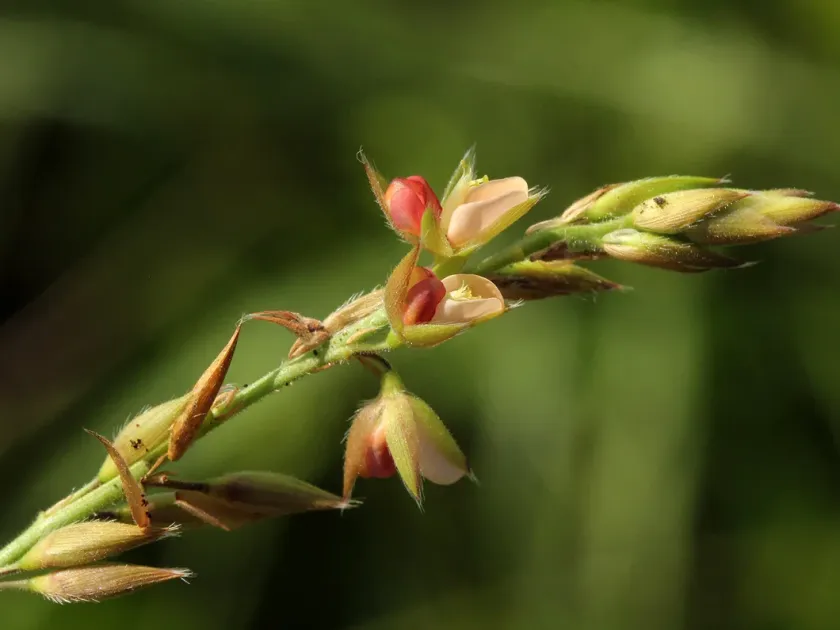
Description
Growing requirements
Alysicarpus glumaceus is a perennial herbaceous plant belonging to the Fabaceae family. Known for its resilience, this species is widely recognized for its ability to thrive in harsh environments where traditional forage crops often fail to establish.
Originating from parts of Africa and Asia, this legume is well-adapted to semi-arid regions. It acts as a significant contributor to soil nitrogen levels, playing a vital role in natural ecosystem restoration and sustainable farming practices in developing areas.
The plant demonstrates a preference for well-drained soils, ranging from sandy textures to light loams. Its deep rooting system enables it to access water reserves during long drought spells, which is a critical trait for sustainable cultivation in hot climates.
From a botanical perspective, Alysicarpus glumaceus is characterized by its prostrate or erect growth habit and distinctive pod structures. Its foliage provides high-quality nutrients, making it a preferred choice for livestock grazing in rangelands.
In terms of agricultural utility, this species is utilized mainly for green fodder production and hay making. It serves as an excellent resource for pasture improvement, ensuring steady feed availability for livestock in regions prone to seasonal food shortages.
Main diseases and pests
The plant is generally robust, yet it can be susceptible to root-knot nematodes and various fungal pathogens if the soil remains waterlogged for extended periods. Proper site selection and drainage are essential to mitigate these risks.
Insect pests, specifically foliage-feeding larvae, may occasionally impact biomass yield during the peak growing season. Integrated pest management strategies are often sufficient to maintain healthy stands without relying on extensive chemical interventions.