
Alysicarpus nummularifolius
Alysicarpus nummularifolius
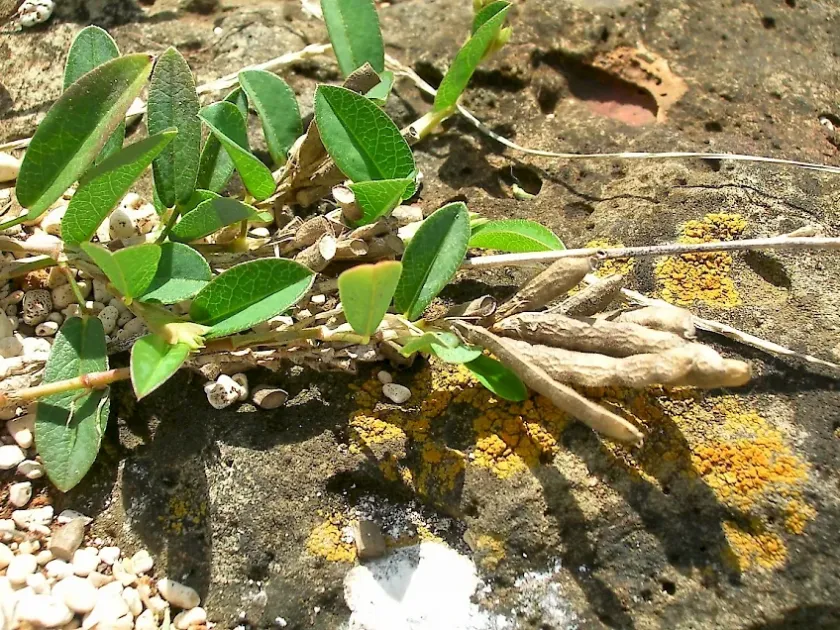
Description
Sowing dates
Alysicarpus nummularifolius is a perennial leguminous plant widely utilized in tropical and subtropical regions for forage and soil improvement.
Sowing is typically initiated at the start of the rainy season to capitalize on moisture availability for optimal germination and seedling establishment.
Preparation of the seedbed is essential, as the small size of the seeds requires a fine, level surface for uniform placement and depth control.
Seeds should be sown at a shallow depth of 1-2 cm, ensuring that they are covered just enough to remain moist without being buried too deep for emergence.
Standard seeding practices include both broadcasting and row planting, with row spacing adjusted to facilitate initial weed management.
Growing requirements
This crop thrives in tropical climates and is highly regarded for its ability to persist in diverse soil types, including nutrient-poor sandy soils.
Alysicarpus is known for its remarkable drought tolerance once established, making it a reliable choice for areas with unpredictable rainfall patterns.
The plant requires full sun exposure for optimal growth; significant shading by taller vegetation can substantially suppress its development and yield.
Well-drained soil is a primary requirement, as waterlogging is detrimental to the roots and can lead to rapid decline of the stand.
An average temperature range of 25-30 degrees Celsius provides the best environment for vegetative vigor and biomass accumulation.
Yield
The primary agricultural use of this plant is as high-quality forage, offering a nutritious source of protein for grazing livestock.
It performs exceptionally well as a pasture component, providing consistent greenery in challenging environments where other grasses may fail.
As a nitrogen-fixing legume, it plays a vital role in soil health, improving fertility and structure through symbiotic relationships with bacteria.
Biomass production is generally stable, allowing for multiple harvests per growing season under favorable moisture conditions.
The plant serves as an excellent cover crop, protecting the soil surface from erosion while simultaneously contributing nitrogenous compounds to the soil profile.
Main diseases and pests
Fungal diseases are a primary concern when humidity levels remain high for extended periods, particularly if the stand is dense and poorly ventilated.
Pests such as aphids and various leaf-eating beetles can cause significant damage to the foliage, especially during the early stages of growth.
Root-knot nematodes can impact the longevity of the stand, particularly in lighter sandy soils where these pests are more prevalent.
Weed competition during the establishment phase is the most common threat to young stands, necessitating timely intervention.
- Fungal leaf spots
- Aphids and leaf-chewing insects
- Root rot due to excessive moisture
- Invasive weed competition
- Soil-borne nematodes
Harvesting
Forage harvesting is most effective at the early flowering stage to ensure the highest protein content and digestibility for livestock.
When used in rotational grazing systems, it is important to allow sufficient recovery periods to preserve the plant's ability to regenerate.
Hay production requires careful handling during drying to prevent the loss of leaves, which are the most nutrient-dense part of the plant.
Seed collection is performed once the pods have matured and darkened, ensuring that seeds are harvested before natural shattering occurs.
Stubble management post-harvest is recommended to maintain soil coverage, thereby reducing evaporation and promoting overall ecosystem health.