
Alysicarpus hamosus
Alysicarpus hamosus
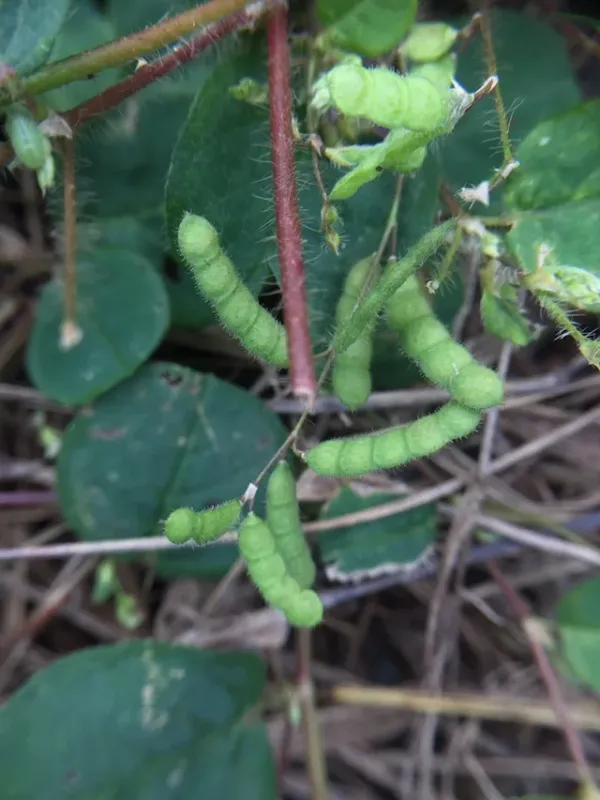
Description
Sowing dates
Alysicarpus hamosus is an annual legume species that requires warm conditions for successful germination. Sowing is typically conducted after the soil temperature has stabilized, ensuring rapid and uniform emergence of seedlings.
In tropical and subtropical zones, planting is best timed with the onset of the rainy season to provide consistent moisture during the early vegetative stages. In temperate climates, sowing occurs in late spring to avoid cold damage.
The seeds possess a hard coat, which often necessitates scarification to improve water absorption. This pre-treatment significantly enhances germination rates and provides a more uniform stand density across the field.
Seeds should be planted at a shallow depth of 1 to 2 centimeters. Proper soil contact is essential for initial moisture uptake, and firming the soil with a roller after planting is a recommended practice.
Row spacing should be managed to balance plant competition and light availability. Wide-row planting facilitates mechanical weeding and ensures that all plants receive sufficient sunlight for vigorous development.
Growing requirements
The plant demonstrates broad adaptability to different soil types, ranging from sandy soils to heavier loams. However, it thrives best in well-draining soils with a neutral or slightly acidic pH level.
Alysicarpus hamosus is a light-demanding crop that does not tolerate shading. Planting should be done in open areas where the canopy can develop fully without competition from taller vegetation or neighboring crops.
The species exhibits moderate drought tolerance, allowing it to perform well in areas with irregular rainfall patterns. Despite this, critical growth stages require sufficient soil moisture to ensure optimal biomass production.
Air circulation and soil aeration are vital for the health of the root system and the associated nitrogen-fixing bacteria. Waterlogging should be strictly avoided to prevent root rot and physiological stress.
Nutrient requirements are modest due to the plant's ability to fix atmospheric nitrogen. Application of phosphorus and potassium fertilizer at the pre-planting stage often boosts root growth and overall resilience.
Yield
Biomass production is highly dependent on effective management during the vegetative phase. Harvesting for green forage should occur during the peak flowering stage to maximize protein content and nutritional value.
As a forage legume, it offers a reliable source of high-quality feed for ruminants. Its nutritive value is maintained even as the plant matures, making it a valuable component of grazing programs.
Depending on local climate conditions, the crop can be harvested multiple times per season. Consistent irrigation and adequate weed control are key factors in achieving sustainable and high annual yields.
Seed yield is an important consideration for farmers producing their own planting material. Harvesting should be carefully monitored to capture seeds before natural shattering and pod dehiscence occur.
The crop's contribution to soil health through nitrogen fixation makes it an excellent choice for green manure applications. Incorporating residue into the soil significantly increases organic matter content for subsequent crops.
Main diseases and pests
Fungal diseases, particularly leaf spots and mildews, pose the greatest threat in humid conditions. Implementing proper crop rotation is the primary defense strategy to prevent the buildup of soil-borne pathogens.
Pests such as aphids and thrips can damage young growth, potentially vectoring plant viruses. Regular monitoring of fields during the early stages of development allows for timely intervention if thresholds are exceeded.
Root rot becomes a significant issue in poorly drained fields. Ensuring proper site selection and adhering to recommended irrigation practices are the most effective ways to mitigate this risk.
Weed competition can severely retard the growth of Alysicarpus hamosus during the establishment phase. Utilizing mechanical cultivation or hand-weeding is necessary to keep the fields clean until the canopy closes.
Seed-feeding insects, such as bruchid beetles, can reduce the quality of stored grain. Proper cleaning and storage in dry, cool conditions are essential to maintaining the viability of the seed stock.
Harvesting
Harvesting for green fodder is most productive when the plants are in full bloom. This ensures the best ratio of dry matter to crude protein, which is essential for maximizing livestock growth rates.
For hay production, the cut material should be cured properly to retain leaves, which contain the highest concentration of nutrients. Mechanical tedding should be done gently to avoid shattering.
Seed harvesting should be timed to coincide with the physiological maturity of the pods. Because the pods are prone to splitting, early morning harvest is recommended to minimize losses from pod dehiscence.
After harvesting, the remaining stubble should be incorporated into the soil. This practice helps recycle nutrients and promotes the development of soil microflora, benefiting the long-term fertility of the plot.
Modern harvesting machinery should be calibrated to minimize mechanical damage to the seeds. Maintaining appropriate cylinder speed and clearance is crucial to ensure high-quality seeds for future planting cycles.