
Alysicarpus rugosus
Alysicarpus rugosus
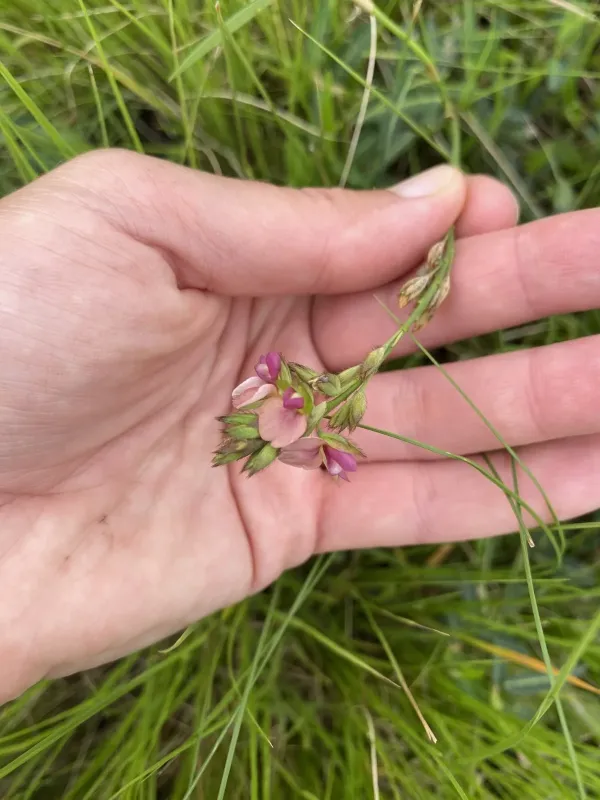
Description
Sowing dates
Alysicarpus rugosus is a warm-season crop, meaning its sowing window is strictly dependent on the onset of stable soil temperatures and moisture availability.
The ideal time for planting is at the beginning of the rainy season, ensuring the seeds receive sufficient water to germinate and establish strong roots.
Seeds are generally sown at a shallow depth, which allows for optimal seedling emergence and prevents the seeds from struggling to reach the soil surface.
Farmers often use broadcast sowing or drilling methods, depending on whether the primary goal is pasture establishment or large-scale biomass harvesting.
Preparing a clean seedbed is essential to minimize competition from fast-growing weeds during the early vegetative stages of this legume.
Growing requirements
As a member of the Fabaceae family, this crop is highly regarded for its ability to thrive in soils that are otherwise marginal or nutritionally poor.
It prefers sunny, open environments and will show reduced growth and lower protein content if planted in densely shaded or crowded areas.
While tolerant of a range of soil types, it performs best in well-drained loamy soils and exhibits some resistance to mild soil salinity issues.
The plant demonstrates good drought tolerance once established, thanks to a robust root system that accesses deeper soil moisture effectively.
Optimal climatic conditions for the crop include high temperatures and adequate rainfall, making it well-suited for tropical and subtropical climates.
Yield
The biomass yield of Alysicarpus rugosus is a critical factor for producers looking for a reliable source of protein-rich forage for livestock.
The crop is known for its excellent regrowth potential, allowing for multiple harvests or intensive grazing cycles within a single growing season.
Strategic use of phosphorous fertilizers can significantly enhance biomass production and stimulate the development of nitrogen-fixing nodules on the roots.
Forage quality remains consistently high throughout the vegetative phase, providing a vital source of digestible energy for cattle and small ruminants.
Total yields are highly responsive to management practices and the specific local rainfall distribution throughout the growing year.
Main diseases and pests
Fungal diseases, particularly those that thrive in high humidity, pose a significant risk to the overall health and stand density of the crop.
Root-knot nematodes can become a problem in certain soils, potentially reducing the plant's ability to fix nitrogen and lowering overall productivity.
Common insect pests like aphids and pod borers may attack the leaves and developing seeds, necessitating integrated pest management strategies.
Effective crop rotation is the most recommended method to interrupt the lifecycle of pathogens and keep the soil healthy for future seasons.
Monitoring for signs of infestation is crucial, as early intervention can prevent large-scale damage to the field and save the harvest.
Harvesting
Harvesting for hay should be timed to coincide with the early flowering stage to ensure the highest protein content and digestibility for livestock.
When used as a pasture, rotational grazing is encouraged to allow the stand sufficient time to recover and regrow after intense feeding periods.
Proper curing of the hay is essential to retain leaves, which are the most nutritious part of the plant and highly prone to shattering if dried incorrectly.
Seed harvesting should be performed when the pods turn dark and brittle, ensuring that the seeds are fully mature and ready for collection.
Storage facilities for the harvested material must remain cool and dry to prevent the growth of molds that can ruin the nutritional value of the feed.