
Alocasia wentii
Alocasia wentii
Description
Growing requirements
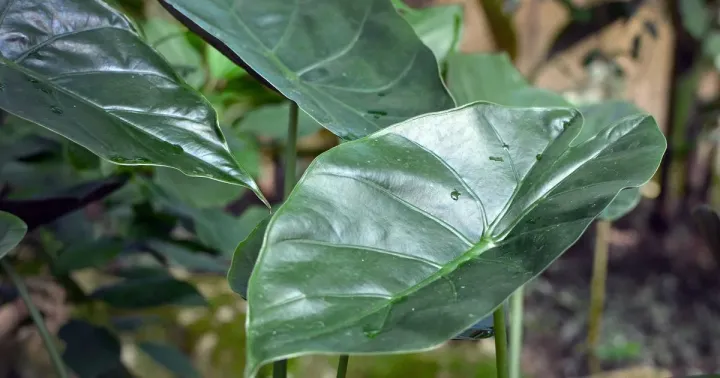
Alocasia wentii is a striking member of the Araceae family, originating from the tropical rainforests of New Guinea. It is widely cultivated for its impressive foliage, characterized by large, arrowhead-shaped leaves with a glossy green upper surface and a distinct purplish-bronze underside.
This botanical species thrives in warm and humid environments, mimicking its native habitat under the canopy. It requires bright, indirect light to maintain its vibrant color and sturdy structure, as direct sun exposure often leads to leaf scorch and dehydration.
The soil requirements for Alocasia wentii are specific: it needs a well-draining, airy substrate to support its thick root system. A mixture consisting of peat moss, perlite, pine bark, and charcoal is ideal for preventing compaction and ensuring adequate oxygenation of the root zone.
Regarding climate control, this plant prefers temperatures between 20°C and 25°C. It is highly sensitive to cold drafts, which can cause the plant to enter a state of dormancy or result in leaf drop, therefore it should be placed in a sheltered position away from air conditioning vents.
Maintenance of the crop involves regular irrigation, ensuring the soil remains moist but not waterlogged. Humidity is a critical factor for the healthy development of this plant, and it is highly recommended to provide supplemental humidity via misting or pebble trays if the ambient environment is dry.
Main diseases and pests
Pest management is vital for maintaining the health of the plant, as spider mites, aphids, and mealybugs frequently target the soft tissues of the leaves. Regular cleaning of the leaf surface and the use of insecticidal soaps can effectively control these populations before they cause severe damage.
Fungal and bacterial infections, particularly root rot, are common threats linked to overwatering or poor drainage systems. To manage these, growers should ensure pots have sufficient drainage holes and employ a strict watering schedule that allows the top layers of the soil to dry out between applications.