
Alocasia odora
Alocasia odora x Alocasia reginula
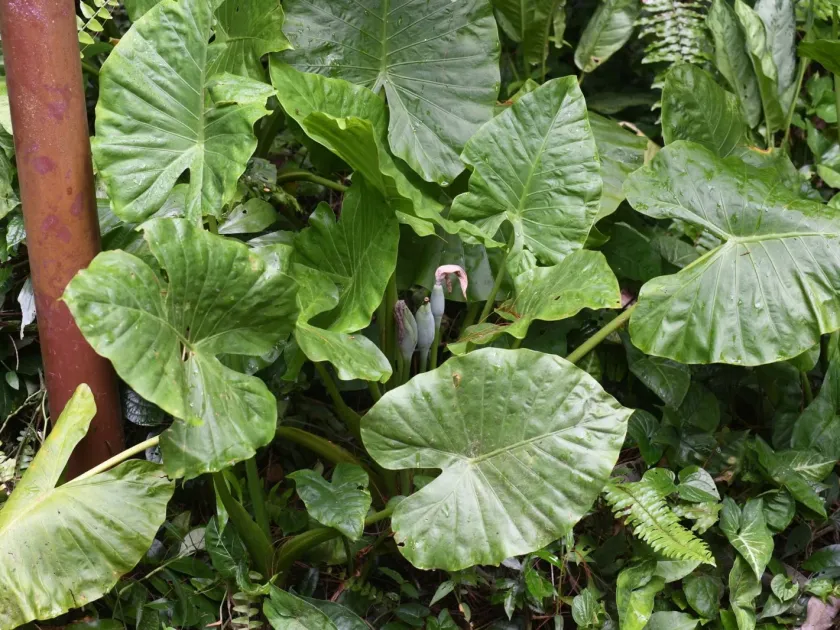
Description
Growing requirements
Alocasia odora is a perennial plant belonging to the Araceae family. Originating from the tropical forests of East and Southeast Asia, this species has become a significant ornamental crop with specific ecological requirements.
The crop thrives in temperatures between 20°C and 30°C. Maintaining a consistent thermal environment is crucial, as extreme heat or cold can cause immediate physiological stress and leaf drop in these giant tropical specimens.
Soil management is centered on drainage and organic content. A well-draining potting mix, typically composed of peat moss, coconut coir, and perlite, is essential to provide oxygen to the root system while retaining necessary moisture.
Watering requirements are high during the active growth season. The substrate should be kept consistently moist but never waterlogged to prevent the asphyxiation of roots and subsequent decay.
Ambient humidity plays a vital role in leaf health. High humidity levels above 70% ensure that the foliage remains vibrant and prevents the edges from drying out and turning brown.
Main diseases and pests
Spider mites represent a major agronomic challenge, especially in low-humidity environments, where they can rapidly colonize the undersides of the leaves and cause extensive damage.
Root rot, primarily caused by Pythium or Phytophthora species, occurs when irrigation is excessive and the soil structure is too dense to allow for proper gas exchange.
Mealybugs are another common pest that requires diligent monitoring. These insects congregate in leaf axils, necessitating systemic insecticidal treatments for effective eradication.
Fungal infections, such as leaf spot, are often managed through improved airflow and the strict removal of any symptomatic plant tissue from the cultivation area.
Regular sanitation of tools and the pots themselves is a mandatory practice for preventing the transmission of pathogens between individual specimens in greenhouse operations.