
Alocasia nebula
Alocasia nebula A. Hay
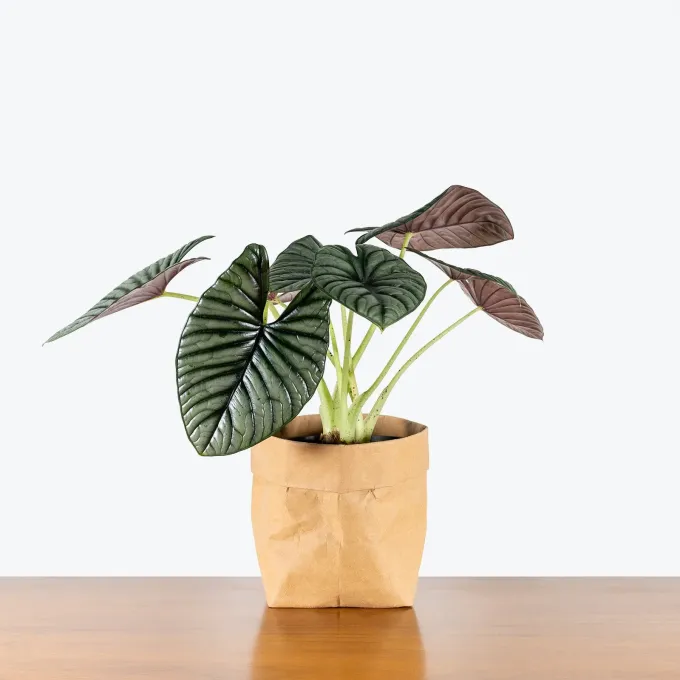
Description
Growing requirements
Alocasia nebula is a rare and highly sought-after species within the Araceae family. Originating from the rocky terrains of Borneo, this plant is specifically adapted to specialized growing conditions, distinct from many other common Alocasia varieties.
The cultivation of this plant requires a highly porous, well-aerated substrate. A typical mix should include high-quality orchid bark, perlite, and horticultural charcoal, providing the necessary drainage to prevent root asphyxiation.
The plant thrives in stable tropical temperatures between 20°C and 26°C. It is extremely sensitive to cold drafts, which can cause immediate physiological stress, manifested as yellowing or drooping of the foliage.
High relative humidity is non-negotiable for maintaining the health of Alocasia nebula. Ideally, growers should aim for humidity levels between 70% and 80%, using ultrasonic humidifiers or dedicated terrarium enclosures to prevent leaf tip necrosis.
Light requirements involve bright, indirect exposure. The species does not tolerate direct solar radiation, which causes irreversible burns on the leaf surface, destroying its characteristic metallic appearance.
Main diseases and pests
Root rot caused by Phytophthora species is the primary agricultural concern for this cultivar. It occurs most frequently when the growth medium remains waterlogged for extended periods without proper oxygen exchange.
Spider mites are the most persistent pest for this plant. Due to the velvety texture of the leaves, they are difficult to detect early, necessitating the use of systemic miticides or regular leaf cleaning with specialized insecticidal soaps.