
Alocasia micholitziana
Alocasia micholitziana Sander
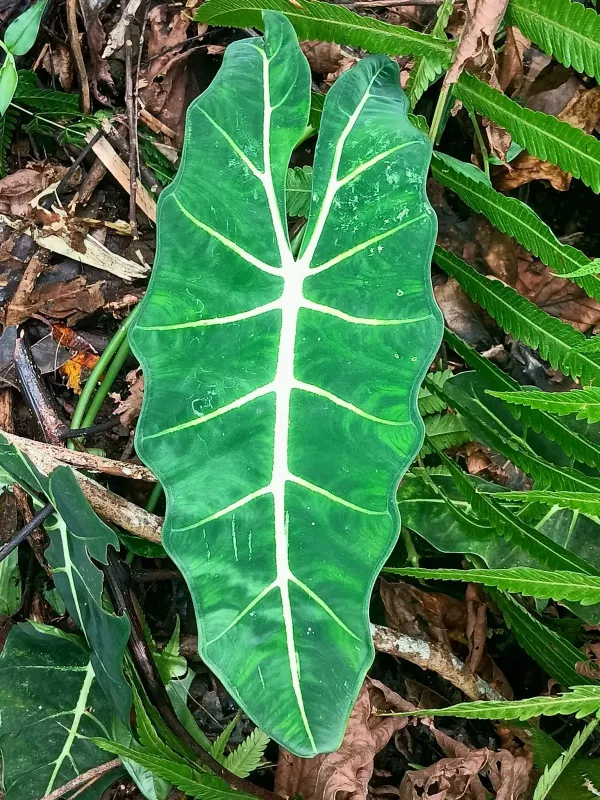
Description
Growing requirements
Alocasia micholitziana is a striking ornamental perennial belonging to the Araceae family. Native to the tropical forests of the Philippines, it naturally thrives in the understory where light is filtered and environmental conditions are consistently humid and warm.
The culture requires a stable thermal environment, ideally between 20°C and 28°C. Exposure to cold drafts or rapid temperature fluctuations is detrimental, often leading to leaf drop or dormancy. Maintaining consistent warmth is vital for the continuous growth of this tropical species.
The substrate must be highly porous to ensure excellent drainage and aeration for the delicate root system. A professional-grade mix typically includes peat moss, orchid bark, perlite, and charcoal, which prevents compaction and maintains an acidic pH level between 5.5 and 6.5.
Humidity management is one of the most demanding aspects of its cultivation. Alocasia micholitziana requires a relative humidity of at least 60%. Utilizing humidifiers or placing the plant on a pebble tray with water helps simulate its native habitat and prevents leaf edge necrosis.
Watering should be approached with caution, allowing the top 2-3 cm of soil to dry out between applications. Overwatering causes immediate stress to the rhizome, increasing susceptibility to pathogens. It is essential to ensure that the pot has adequate drainage holes to prevent water accumulation.
Main diseases and pests
Common pests affecting Alocasia micholitziana include spider mites, mealybugs, scale insects, and thrips. These pests thrive in dry indoor environments and can quickly sap the vitality of the plant by feeding on the sap of the leaves and stems.
Pathogenic infections, such as root rot or leaf spot, are usually the result of excessive moisture and poor air circulation. These conditions favor the proliferation of fungal and bacterial colonies that attack the plant's vascular system and foliage.
Control strategies involve the application of targeted insecticides or acaricides and the physical removal of pests. In cases of severe fungal infection, it is necessary to repot the plant in fresh, sterile substrate after pruning away all decaying roots.
Preventative care focuses on regular leaf inspection and maintaining optimal environmental parameters. Providing adequate light and air movement helps the plant build natural resistance against infestations and stress-related disorders.
Integrated pest management includes the use of neem oil or insecticidal soaps as a mild preventative measure. By maintaining plant hygiene and avoiding overcrowding, growers can significantly reduce the risk of common disease outbreaks.