
Alocasia longiloba
Alocasia longiloba Miq.
Description
Growing requirements
Alocasia longiloba is a tropical perennial plant belonging to the Araceae family. Native to the diverse forest regions of Southeast Asia, this species thrives in warm, humid understory environments, adapting well to high moisture levels and filtered light.
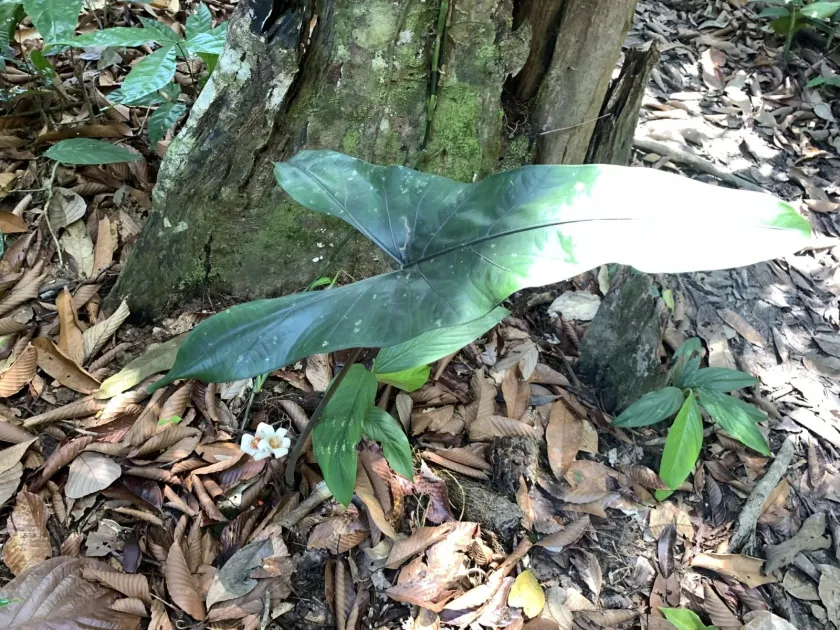
Botanically, the plant is distinguished by its elongated, sagittate (arrowhead-shaped) leaves characterized by long basal lobes. These leaves are supported by sturdy petioles, and the plant develops a rhizomatous root system that serves as a vital energy storage organ.
To achieve optimal growth, the species requires a temperature range between +20°C and +28°C. Protecting the plant from cold drafts and sudden temperature fluctuations is essential for maintaining leaf health and preventing stunted development.
The cultivation medium must be highly porous and moisture-retentive, typically consisting of a well-draining mixture of peat, perlite, and pine bark. Ensuring efficient drainage is critical to prevent waterlogging, which is a leading cause of root decay in this species.
Light intensity should be carefully managed; the plant performs best under bright, indirect light conditions. Excessive exposure to direct sunlight will scorch the foliage, while insufficient light may result in elongated petioles and decreased leaf coloration.
Main diseases and pests
The primary agricultural threats to Alocasia longiloba include fungal pathogens such as Fusarium and Erwinia, which often manifest as soft rot. These infections are typically encouraged by overly wet soil conditions and lack of adequate air circulation.
Common insect pests include spider mites, mealybugs, and scale insects. These pests feed on the nutrient-rich sap, causing structural damage and potential transmission of viral infections. Monitoring the undersides of the leaves is a key preventive practice.
Integrated pest management (IPM) strategies, including the use of neem oil or targeted acaricides, are effective in controlling outbreaks. Maintaining high ambient humidity helps suppress spider mite populations, which thrive in dry and stagnant conditions.
To prevent the spread of disease, all nursery equipment must be sanitized before use. Removing dead or necrotic leaf tissue promptly prevents the accumulation of inoculum that could lead to widespread fungal infection within a crop block.
Nutrient deficiency can make the plant more susceptible to opportunistic pathogens. A consistent fertilization program, balanced with calcium and magnesium, helps maintain tissue integrity and overall robustness against various biotic stressors.