


Reference · Crops
Alisma
Alisma L.
Cultivation of Alisma typically involves propagation via seeds or vegetative division of rhizomes. Seeds require consistent moisture levels to germinate, as the plant is biologically adapted to semi-aquatic and aquatic habitats.
1
items
What the section contains
Marketplace
Products in this section · 5


Alisma
The optimal time for sowing is early spring when water and substrate temperatures reach 12-15 degrees Celsius. Stratification of seeds in cool conditions prior to planting significantly improves germination rates in field conditions.
For vegetative propagation, rhizome segments should be planted in the substrate at a depth of 5-10 centimeters at the beginning of the growing season. Securing the planting material in the bottom sediment is essential to ensure proper root development.
Planting density depends on the specific objectives; high density is used for wastewater remediation, while lower density is preferred for decorative or ecological landscape design. Fertilization is generally not required as the plant efficiently extracts nutrients from silt.
Successful management requires strict control of the water level to prevent complete substrate drying. Constant hydration is a critical factor for the healthy development of the foliage and reproductive structures of the plant.
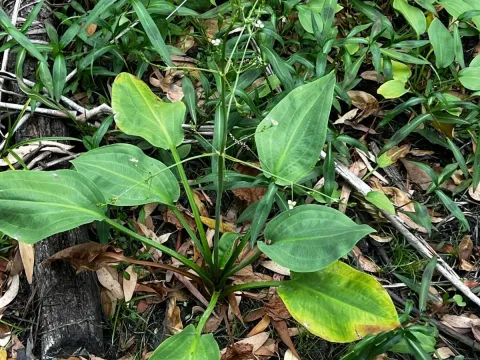
Alisma L., commonly known as water plantain, belongs to the Alismataceae family. It is a perennial herbaceous plant typically found in the shallow margins of lakes, ponds, and wetlands.
The species thrives in temperate climates and demonstrates notable phenotypic plasticity. It can adapt to varying moisture conditions, ranging from fully submerged states to saturated coastal soils.
Growth is best supported by nutrient-rich silty or peaty substrates. An optimal pH range between 6.0 and 7.5 is ideal for the species, matching the conditions of most natural freshwater ecosystems.
Alisma is a light-demanding plant; shade leads to stunted growth, reduced biomass, and poor flowering. Open, well-lit environments are necessary for the development of robust root systems and effective soil anchoring.
Agrotechnical management avoids the use of chemical pesticides due to the sensitivity of the aquatic ecosystem. Maintenance focus is placed on water level stabilization and the management of invasive plant species.
Economic use of Alisma is primarily concentrated in phytoremediation and traditional medicine. Its rhizomes are valued for high starch content and the accumulation of specific bioactive compounds.
Biomass yield is directly correlated with the nutrient content of the sediment and the duration of the growing season. In optimal conditions, the plant forms dense stands that effectively filter water through mineral uptake.
Harvesting for medicinal purposes occurs in late autumn as the plant enters dormancy and concentrates nutrients in the underground organs. The rhizomes are then washed and dried under controlled temperature conditions.
Alisma is widely utilized in bio-filtration systems for wastewater treatment, where it effectively removes nitrogen and phosphorus. Its rapid regeneration allows for sustainable annual harvesting cycles.
The economic efficiency of Alisma cultivation is enhanced by low maintenance requirements and the ability to integrate the crop into large-scale environmental restoration projects.
Alisma is highly resilient to most common agricultural pathogens. However, under conditions of excessive plant density in stagnant water, there is a risk of root rot due to poor oxygen circulation in the sediment.
Common pests include water leaf beetles, which feed on the foliage. These attacks are typically localized and do not represent a significant threat to the overall health of the established plant population.
Fungal infections can arise if water levels fluctuate sharply, causing physiological stress. Maintenance of stable water levels is the primary preventative measure against such outbreaks.
Invasive aquatic species pose the greatest competitive threat to Alisma populations. Monitoring the species composition of the aquatic habitat is necessary to prevent exclusion by more aggressive weeds.
High levels of heavy metal pollution can adversely affect the plant's health. While Alisma is an effective phytoremediator, excessive toxicity levels can exceed the plant's biological tolerance thresholds.
Harvesting of foliage is conducted as required, while the collection of rhizomes for medicinal use is strictly timed to the end of the vegetative period. Manual extraction is the preferred method to maintain bottom integrity.
Drying must be performed in well-ventilated areas away from direct sunlight to preserve active compounds. Proper curing is essential for meeting industry standards in herbal medicine production.
After harvesting, rhizomes must be sorted to remove damaged or undersized pieces. Storage should take place in dry, cool facilities with sufficient airflow to prevent the growth of molds.
For phytoremediation projects, harvesting is a necessary step to remove the pollutants stored within the plant biomass from the aquatic system. This prevents secondary pollution caused by tissue decay.
The harvest process must balance yield with environmental stewardship to ensure the long-term sustainability of the aquatic population and the ecological health of the site.