
Water plantain
Alisma plantago aquatica L.
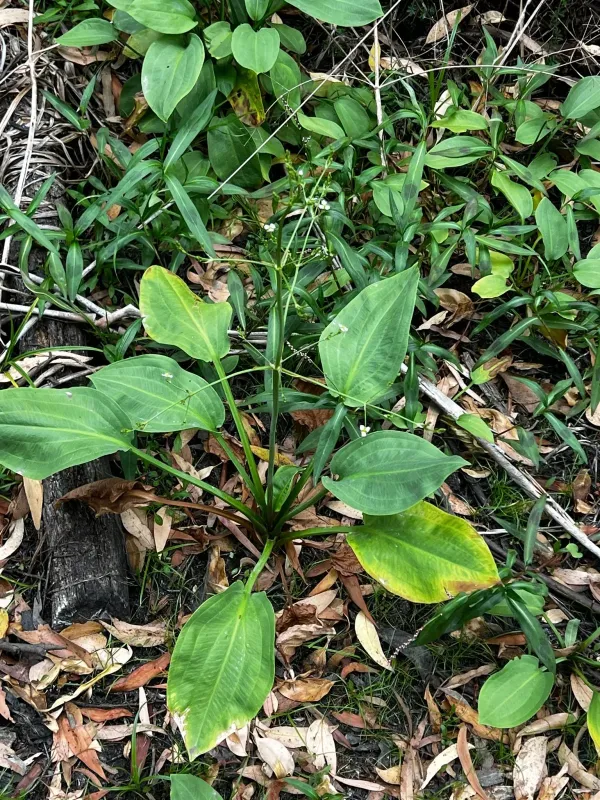
Description
Sowing dates
Water plantain, belonging to the Alismataceae family, is a perennial aquatic plant known for its distinctive foliage that resembles plantain leaves.
Propagation is primarily achieved through seeds, which should be sown in early spring in waterlogged soil or shallow containers submerged in water.
Seeds require a period of cold stratification to germinate successfully, making autumn sowing a preferred method for commercial cultivation.
For optimal results, seeds should be sown on the surface of the moist medium, as they require light to stimulate the germination process.
Once established, the plant develops a robust rhizome, allowing it to survive for multiple seasons and providing a stable foundation for growth.
Growing requirements
This species thrives in wetland environments, requiring constant access to water. It is commonly found in marshes, along pond margins, and in slow-moving streams.
Rich, organic-heavy soil such as silt or clay provides the necessary nutrients for the plant to reach its full development potential.
Water plantain is a heliophilic plant, demanding full sun to partial shade; shade-grown specimens often exhibit weaker stalks and smaller leaf plates.
The plant is highly adaptable to climate variations and can withstand freezing temperatures during its dormant winter stage, provided the rhizome remains protected.
Water depth should ideally range from 5 to 30 centimeters to ensure the plant remains submerged while allowing the leaves to reach the surface.
Main diseases and pests
Alisma plantago-aquatica is generally robust, but it can be susceptible to root rot if the water becomes stagnant and oxygen levels drop significantly.
Insect pests, including aphids and leaf-eating beetles, may occasionally infest the leaves, particularly during the flowering phase of the plant.
Excessive nutrient levels in the water, often caused by runoff, can lead to algal blooms, which compete with the water plantain for resources and light.
Fungal diseases like leaf spot may occur in very humid, poorly ventilated conditions, although this is rare in healthy, well-maintained populations.
Integrated pest management in aquatic systems emphasizes manual removal of damaged leaves to prevent the spread of localized infections without polluting the water.