
Aginashi arrowhead
Sagittaria aginashi
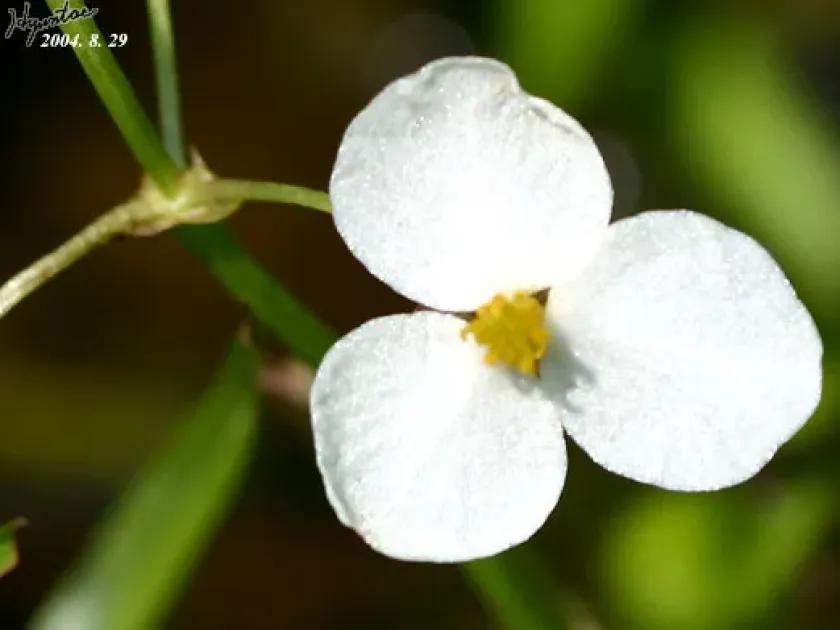
Description
Sowing dates
Aginashi arrowhead (Sagittaria aginashi) is a perennial herbaceous plant belonging to the Alismataceae family. In agronomic practice, propagation is primarily performed vegetatively using daughter tubers that form at the tips of stolons toward the end of the growing season.
Planting tubers in controlled conditions is done in early spring, once the water and bottom substrate temperatures warm up to 12–15 degrees Celsius. To obtain high-quality commercial tubers, it is essential to maintain proper planting density, ensuring sufficient nutritional space for root system development.
Seed propagation is used less frequently, mainly for breeding purposes. When using seeds, they are planted in trays with moist substrate, maintaining a consistently high water level to simulate natural growth conditions.
Preparing the area for cultivation requires pre-enrichment of the soil with organic fertilizers. The plant prefers silty, nutrient-rich bottom sediments typical of still or slow-flowing water bodies.
The optimal time for the start of active growth is when the photoperiod begins to increase steadily, which stimulates the development of vegetative mass and subsequent tuber formation.
Growing requirements
This species has high requirements for water management, preferring shallow areas with a depth of 10 to 40 centimeters. Excessive increases in water levels can slow down photosynthesis, making depth control a critical factor in agricultural management.
The plant is light-loving and sensitive to shading. On commercial plantations, it is important to clear away dense growths of weedy aquatic plants that compete for sunlight and nutrients.
The soil substrate should consist of heavy loams or fertile silt. A neutral or slightly acidic environmental reaction is most favorable for the plant's metabolism and starch accumulation in the tubers.
The temperature optimum for vegetation is between 20 and 28 degrees Celsius. Aginashi arrowhead tolerates extreme heat poorly if accompanied by water overheating, which can lead to suppressed growth processes.
For successful cultivation, it is necessary to ensure flow or periodic water changes. Stagnant conditions in the pond often provoke the accumulation of toxins and the development of anaerobic processes in the root zone.
Yield
The yield of Aginashi arrowhead depends directly on the level of agronomy and the quality of mineral nutrition. Under favorable conditions, the yield of commercial tubers can reach significant levels, comparable to other aquatic root crops.
The productivity of the plant is closely linked to the length of the growing season. The longer the crop stays in the phase of active biomass growth, the larger and more numerous the daughter tubers will be at the time of harvest.
An increase in tuber mass is achieved by applying phosphorus-potassium fertilizers during the formation phase. An excess of nitrogen during this period is highly undesirable, as it stimulates the growth of aerial parts at the expense of storage organs.
The average weight of a commercial tuber varies from 20 to 50 grams depending on the variety and nutrition conditions. Professional farmers use selection methods to identify the most productive plants with short stolons.
The final yield indicator is expressed in tons per hectare of water surface area. Regular cleaning of plantations from weeds allows for a 15–20% increase in marketable product output.
Main diseases and pests
The main pests for Aginashi arrowhead are aquatic insects, particularly larvae of certain leaf beetles and weevils, which damage the leaves and petioles. Timely monitoring prevents massive infestations.
Fungal diseases, such as leaf spots, often develop under high humidity and poor water circulation. Infected leaves should be removed immediately to limit the spread of spores.
Root rot can occur due to an improper substrate composition, especially in conditions with excess undecomposed organic matter. Proper aeration of bottom sediments helps minimize this risk.
Mollusks pose a moderate threat by feeding on young shoots at the start of the season. In commercial operations, their population is controlled using biological methods or by restricting access to the water body.
Preventive measures include crop rotation and periodic deep drying of the fields after harvest, which helps sanitize the soil from many pathogens and pests.
Harvesting
The harvest of Aginashi arrowhead is carried out after the aerial part of the plant begins to yellow and die back, signaling the translocation of nutrients into the tubers.
The digging process requires care, as the tubers are attached to fragile stolons. Usually, water is drained from the fields beforehand, after which harvesting is done manually or using light mechanized equipment.
Collected tubers must be cleaned of silt and root remnants. It is important to avoid mechanical damage to the skin, as any scratches significantly reduce the shelf life of the product during storage.
After collection, tubers are washed in running water and briefly dried in the shade. Storage is performed in conditions of high humidity and low positive temperature to prevent dehydration.
Transportation requires the use of ventilated containers to eliminate the risk of mold development. Quality produce, harvested at the right time, is characterized by high starch content and excellent flavor.