
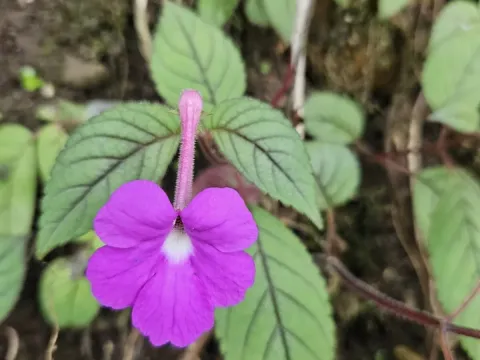
Achimenes
Achimenes
Propagation of Achimenes is most commonly performed vegetatively, using specialized underground organs known as rhizomes (scaly rhizomes). Planting the rhizomes into the soil is typically carried out in late February or March, as the plant emerges from its dormant state.
What the section contains


Achimenes
To activate growth, rhizomes are placed into a nutrient-rich substrate at a depth of approximately 1–2 cm. It is essential to maintain a stable ambient temperature between 20–24 degrees Celsius to ensure uniform sprouting of the shoots.
Propagation by seed is less frequently practiced, primarily used for breeding purposes. Seeds are sown onto the surface of a light substrate without covering them with soil, and the container is covered with glass to maintain high humidity.
When using seeds, seedlings emerge within 2–3 weeks, but young plants require an extended period of maturation before they form full-sized rhizomes. Propagation by dividing rhizomes allows for obtaining a plant identical to the mother plant much more rapidly.
Optimal planting dates depend on light conditions; using phytolamps allows for earlier planting, in January or February, which helps extend the active flowering period of the culture.
Achimenes belongs to the Gesneriaceae family and is a perennial herbaceous plant. In its natural habitat, the culture grows in the tropical forests of Central and South America, where high humidity and moderate shading prevail.
The culture has strict requirements for soil conditions: the substrate must be loose, light, and possess excellent aeration. A mixture based on peat with the addition of perlite, vermiculite, and leaf mold is considered optimal.
The plant requires bright but indirect sunlight. Direct sun rays can cause burns on the delicate leaves, making east- or west-facing windows with light curtains the ideal location.
Watering must be regular and moderate during the active growing season. Neither the drying out of the root ball nor water stagnation at the roots is permissible, as the latter quickly leads to rhizome rot under low-temperature conditions.
Humidity is a crucial development factor. Achimenes is extremely sensitive to dry indoor air, so the use of air humidifiers or trays with wet expanded clay is recommended, while avoiding direct water contact on the foliage.
The most dangerous pest for this culture is the spider mite, which breeds actively in low-humidity conditions. It attacks the undersides of the leaves, leading to yellowing and subsequent leaf drop.
In greenhouses, aphids and mealybugs are frequent, sucking juices from young shoots. To combat them, systemic insecticides approved for floriculture are employed.
Fungal infections, such as gray mold and powdery mildew, arise when ventilation is poor or watering is excessive. Affected areas must be removed, and plants treated with contact or systemic fungicides.
Root rots are a result of waterlogged substrate combined with low temperatures. Prevention lies in following proper watering agronomy and utilizing a high-quality drainage layer when potting.
It is important to monitor the condition of rhizomes during the dormant period; if stored in conditions that are too humid or at unstable temperatures, the risk of fungal mold increases, which can destroy the planting material.
Harvesting Achimenes refers to preparing the plant for the winter dormancy period. In late autumn, as the stems naturally begin to yellow and wither, watering is gradually reduced until it is completely stopped.
The aerial parts of the culture are cut only after all shoots have dried completely, ensuring that nutrients have returned from the leaves back into the rhizomes. This process is critical for successful flowering in the following season.
Storage of rhizomes is carried out either directly in the dry substrate in which they grew or by digging them up and placing them in bags with vermiculite. The optimal storage temperature is 12–15 degrees Celsius in a dark place.
During storage, the planting material is periodically inspected for signs of dehydration or rot. Only rarely is light moisture allowed in the substrate to prevent the rhizomes from losing turgor and shriveling.
Thus, the "harvesting" period and the subsequent dormancy are an essential part of the Achimenes life cycle. Without adhering to this stage, the plant becomes exhausted and loses its ability to flower abundantly in the coming year.