
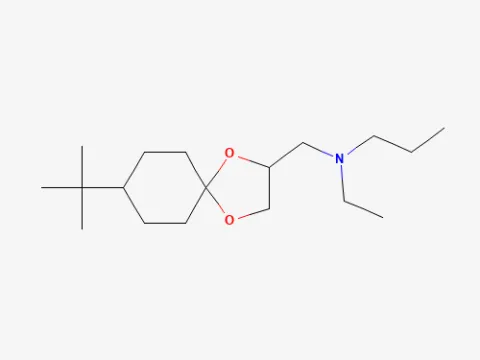
Spiroxamine
Spiroxamine is a potent systemic fungicide belonging to the spiroketalamine class of chemicals. It is specifically designed to provide robust control over various fungal pathogens by penetrating plant tissues rapidly after application.
What the section contains
Spiroxamine
The primary mode of action involves the inhibition of ergosterol biosynthesis, a vital process for the structure and function of fungal cell membranes. By interrupting this pathway, spiroxamine effectively destabilizes the fungus, preventing its growth and reproduction.
This substance is highly valued for its dual-purpose nature, offering both preventative and curative control. It is capable of halting the development of disease symptoms even after initial infection has occurred on the leaves or stems.
Spiroxamine is characterized by its excellent ability to penetrate the plant cuticle. This feature allows it to remain effective even under challenging environmental conditions, providing a reliable barrier against fungal invasion.
It is frequently formulated in mixtures with other fungicides to broaden the spectrum of activity and improve resistance management. This synergy makes it a cornerstone in modern integrated pest management strategies for cereal crops.
Spiroxamine is primarily utilized to combat diseases caused by fungi, such as powdery mildew, various rusts, and leaf blotch complexes. It is a critical solution for maintaining plant health and maximizing yield potential in high-input agriculture.
Its application is most significant in cereal crops, particularly wheat and barley, as well as in viticulture. It provides essential protection against pathogens that can significantly reduce quality and productivity if left unchecked.
The recommended application rates are determined based on the crop type, disease pressure, and the specific commercial formulation being used. Applications are typically timed during periods of high vulnerability, such as early stem elongation.
Proper calibration of spraying equipment is essential to ensure uniform coverage of the crop canopy. Applying the fungicide at the correct growth stage ensures maximum absorption and translocation of the active ingredient within the plant.
Strict adherence to safety protocols is required when handling products containing spiroxamine, including the use of appropriate personal protective equipment. It is classified as hazardous and requires careful management to prevent skin and eye contact.
Environmental safety must be prioritized by preventing the runoff of the product into surface water bodies. Users must always follow the product label regarding the pre-harvest interval to ensure the safety of the harvested agricultural commodities.