

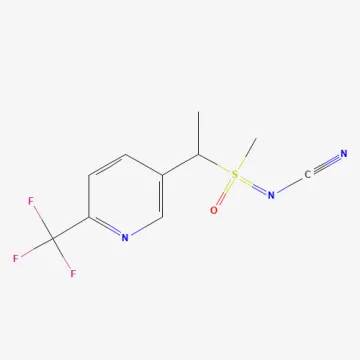
Description
Mode of action
Sulfoxaflor belongs to the sulfoximine class, a unique group of insecticides characterized by a specific mode of action that targets the insect nervous system. It acts as an agonist at nicotinic acetylcholine receptors (nAChR).
The compound binds to a site on the receptor distinct from that of neonicotinoids. This binding behavior is highly effective, allowing it to control pests that have developed resistance to traditional organophosphate, pyrethroid, and neonicotinoid products.
It exhibits strong systemic and translaminar properties. Once applied to the plant, it is rapidly absorbed into the tissues, providing effective protection for new foliage that grows after the application.
Sulfoxaflor provides both contact and ingestion toxicity to target insects. Upon contact or feeding, insects quickly cease feeding and become paralyzed, which prevents further damage to the crop.
The substance is known for its fast knockdown effect, which is crucial for managing pest populations during critical stages of crop growth and preventing the spread of viruses transmitted by sucking insects.
What it targets
Sulfoxaflor is specifically registered to control a wide array of sucking pests. It is highly effective against various species of aphids, which are common and damaging pests in both field and horticultural crops.
It is also a primary choice for managing whiteflies, including the silverleaf whitefly and greenhouse whitefly. These pests cause significant yield losses by direct feeding and honeydew production.
The spectrum of action includes leafhoppers, mealybugs, and plant bugs (mirids), as well as certain species of thrips. This versatility makes it an important tool in integrated pest management programs.
Crop applications include a wide range of plants, including cereals, corn, soybean, canola, sunflowers, and diverse vegetable crops. It is widely used in both open-field agriculture and greenhouse environments.
By effectively suppressing these pests, sulfoxaflor helps maintain plant vigor and contributes to consistent yield performance, provided that monitoring protocols are followed correctly.
Rates and timing
Application rates for sulfoxaflor depend on the target crop, pest density, and local regulatory guidelines. It is essential to ensure a thorough application to reach the underside of leaves where pests often reside.
Timing is critical for successful control. It should be applied when the pest threshold is reached or when early signs of colonization are observed to prevent the buildup of larger populations.
To preserve the efficacy of the active ingredient and prevent resistance development, rotation with insecticides possessing different modes of action is highly recommended.
In protected agriculture (greenhouses), the application volume should be calculated based on the canopy size and growth stage, ensuring adequate coverage without excessive runoff.
Water quality, including pH levels, should be checked prior to mixing to ensure maximum stability of the active ingredient in the spray tank.
Restrictions
Sulfoxaflor is classified as having high acute toxicity to bees. It is strictly prohibited to apply the product during bloom when pollinators are active, to minimize environmental impact.
Always adhere to local regulations regarding buffer zones and communication with beekeepers to prevent accidental exposure of pollinating insects to the spray drift.
Proper personal protective equipment (PPE) is mandatory during handling and application, including waterproof gloves, long-sleeved shirts, protective eyewear, and appropriate respiratory protection.
Following application, equipment must be thoroughly decontaminated to prevent cross-contamination when switching to other pesticides, which could potentially cause crop phytotoxicity.
The product must be stored in its original, sealed container within a cool, dry, and well-ventilated area, away from reach of unauthorized individuals and food or feed supplies.
Regulatory
Status in the European Union
Approved in the EU
- CAS number
- 946578-00-3
- Approved from
- 18.08.2015
- Approval until
- 18.01.2028
- ADI
- 0.04 mg/kg bw/day
- ARfD
- 0.25 mg/kg bw
- AOEL
- 0.06 mg/kg bw/day
Hazard classification (CLP)
Acute Tox. 4 - H302Aquatic Acute 1 - H400Aquatic Chronic 1 - H410
EU status is for reference only and does not replace national registration in your country.
Content graph
Connections · Sulfoxaflor
Most often together:
Marketplace
Products · 3

