
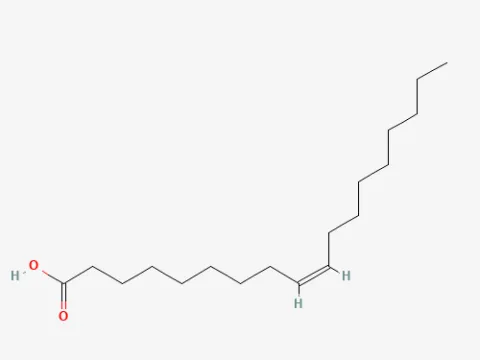
Oleic acid
In agrochemistry, oleic acid belongs to the fatty acid group and most often acts as an auxiliary substance (adjuvant) or a component of pesticide formulations. It possesses surfactant properties, reducing the surface tension of the spray solution upon contact with leaves.
What the section contains
Oleic acid
Due to its chemical structure, oleic acid promotes better wetting of the leaf cuticle, allowing active ingredients of herbicides or insecticides to penetrate more easily through the plant's waxy layer or the chitinous covers of pests.
In some specialized products, it is used as a mild contact herbicide, causing the destruction of weed cell membranes upon direct contact, which leads to rapid desiccation.
The substance is biodegradable and environmentally safe, does not accumulate in the soil, and does not exhibit significant phytotoxicity when dosages are followed.
The biological effectiveness of oleic acid depends directly on the quality of the emulsion and the state of the treated plant surface.
Oleic acid is used in formulations against a wide range of pests and weeds, enhancing the impact of main active components.
It is effective as part of herbicides used to control dicotyledonous and monocotyledonous weeds in field crops.
In insecticidal compositions, this substance helps manage sucking pest populations, including aphids, whiteflies, and spider mites, by enhancing contact efficiency.
The substance is applied to field, vegetable, and fruit crops where improving the adhesion and penetrating capacity of the working solution is required.
- Reduction of product losses due to wind drift.
- Increased biological activity of herbicides under arid conditions.
The application rate of oleic acid as an active component or adjuvant varies depending on the composition of the specific pesticide and the type of crop.
It is recommended to apply the product during morning or evening hours at moderate air temperatures to prevent premature droplet evaporation.
It is essential to ensure uniform distribution of the working solution over the leaf surface using specialized nozzles for fine or medium spraying.
Pre-harvest intervals are determined by the active ingredient of the pesticide with which oleic acid is used, according to the manufacturer's regulations.
The concentration of the working solution must comply with the instructions for the specific plant protection product to avoid burning the vegetative parts of crops.
The use of oleic acid-based products requires caution when working with crops in the active flowering phase to prevent damage to petals.
Treatment during high solar activity is not recommended, as it may lead to local phytotoxic manifestations on leaves.
The product should be stored in a tightly closed container in a cool place, protected from direct sunlight and freezing temperatures.
Standard personal protective equipment must be used, including gloves, safety glasses, and protective clothing, as concentrated acid can cause skin irritation.
In case of contact with mucous membranes or skin, immediately rinse the affected area with plenty of running water and soap.