
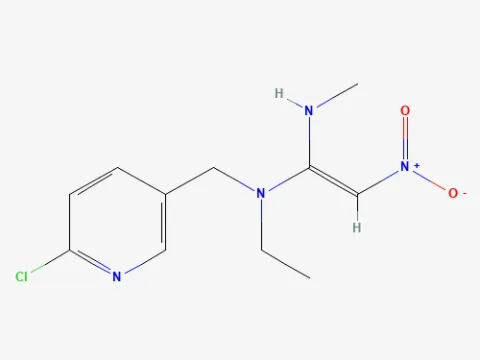
Nitenpyram
Nitenpyram is a potent active ingredient belonging to the neonicotinoid chemical class. It acts as a systemic insecticide, meaning it is absorbed by plant tissues and translocated throughout the plant's vascular system to provide comprehensive coverage.
What the section contains
Nitenpyram
The mode of action involves binding to the nicotinic acetylcholine receptors in the insect's central nervous system. This disruption of nerve impulse transmission leads to paralysis and rapid death of the pest.
A distinctive feature of Nitenpyram is its rapid "knock-down" effect. Insects stop feeding almost immediately upon contact or ingestion, which is crucial for preventing the transmission of plant viruses carried by vectors.
Due to its high water solubility, the substance enters the plant quickly and maintains an effective concentration to control pests hidden in dense foliage or under leaves.
It is often positioned as an emergency control tool during sudden pest outbreaks because it works effectively against insect populations that have developed resistance to traditional organophosphate or pyrethroid treatments.
Nitenpyram is primarily effective against sap-sucking insects. Common targets include various species of aphids, whiteflies, thrips, and leafhoppers that damage both indoor and outdoor crops.
It is widely used in greenhouse production and high-value horticultural crops where minimizing damage from sucking pests is essential to maintain product quality and marketability.
Application rates depend on the specific formulation, the crop being treated, and the level of pest pressure. Always refer to the product label for the precise concentration required for your target application.
The timing of application should coincide with the early stages of infestation for optimal results. Ensure proper calibration of spray equipment to achieve thorough coverage of all plant surfaces.
The primary environmental concern is the high toxicity of Nitenpyram to pollinators, especially bees. Applications must be strictly avoided during the flowering period to prevent collateral harm to beneficial insects.
Operators must wear appropriate personal protective equipment, including respirators and chemical-resistant gloves. Furthermore, it is essential to prevent runoff into aquatic ecosystems to protect non-target organisms.